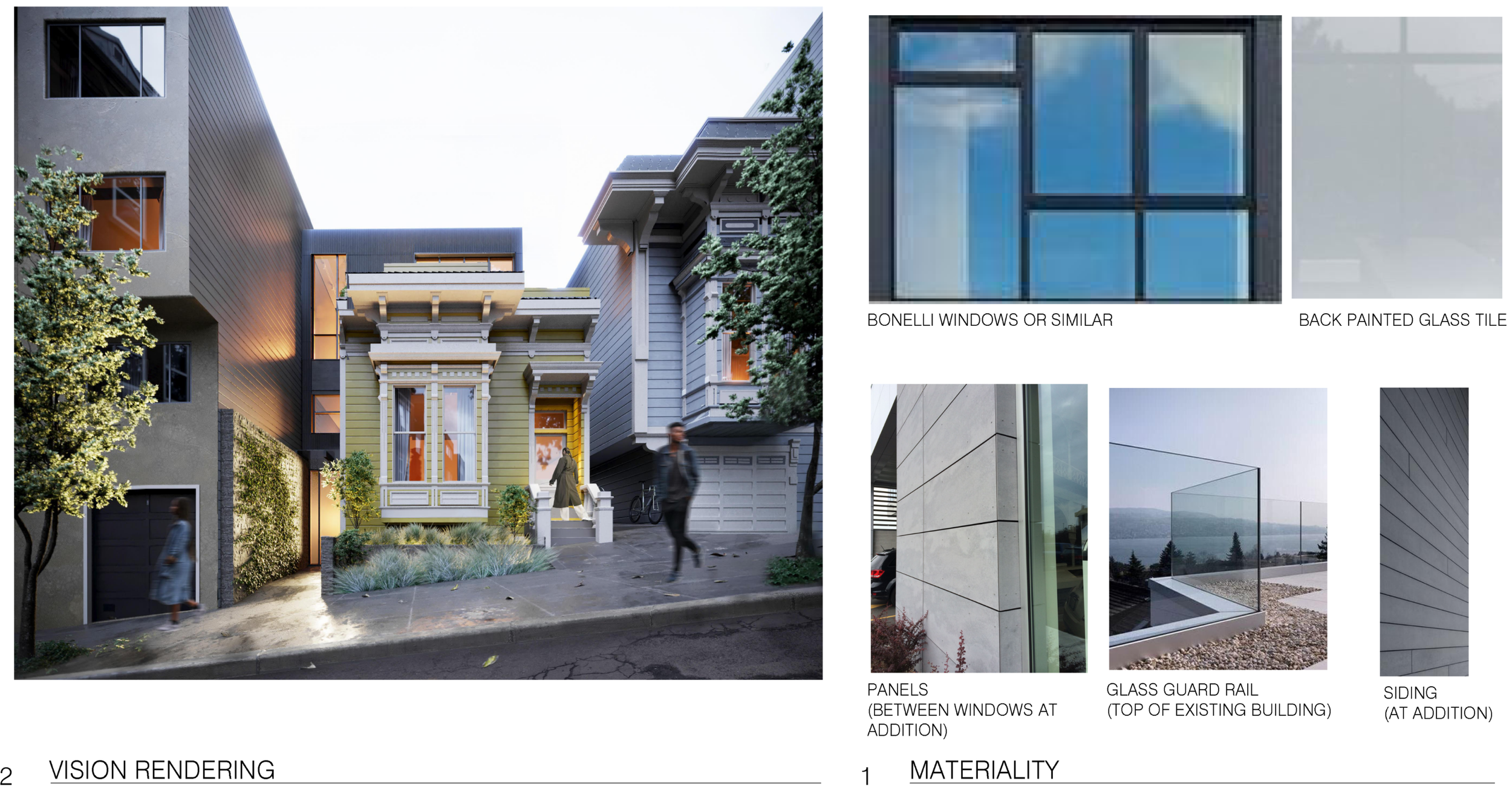
Ellis Street - Historic Feasibility & Sight Analysis
A strategic approach to constrained development
Project Type: Residential Development & Feasibility
Location: San Francisco, CA
Scope: Sight Line Analysis, Historic Review Strategy, Massing Studies
Status: Currently under construction
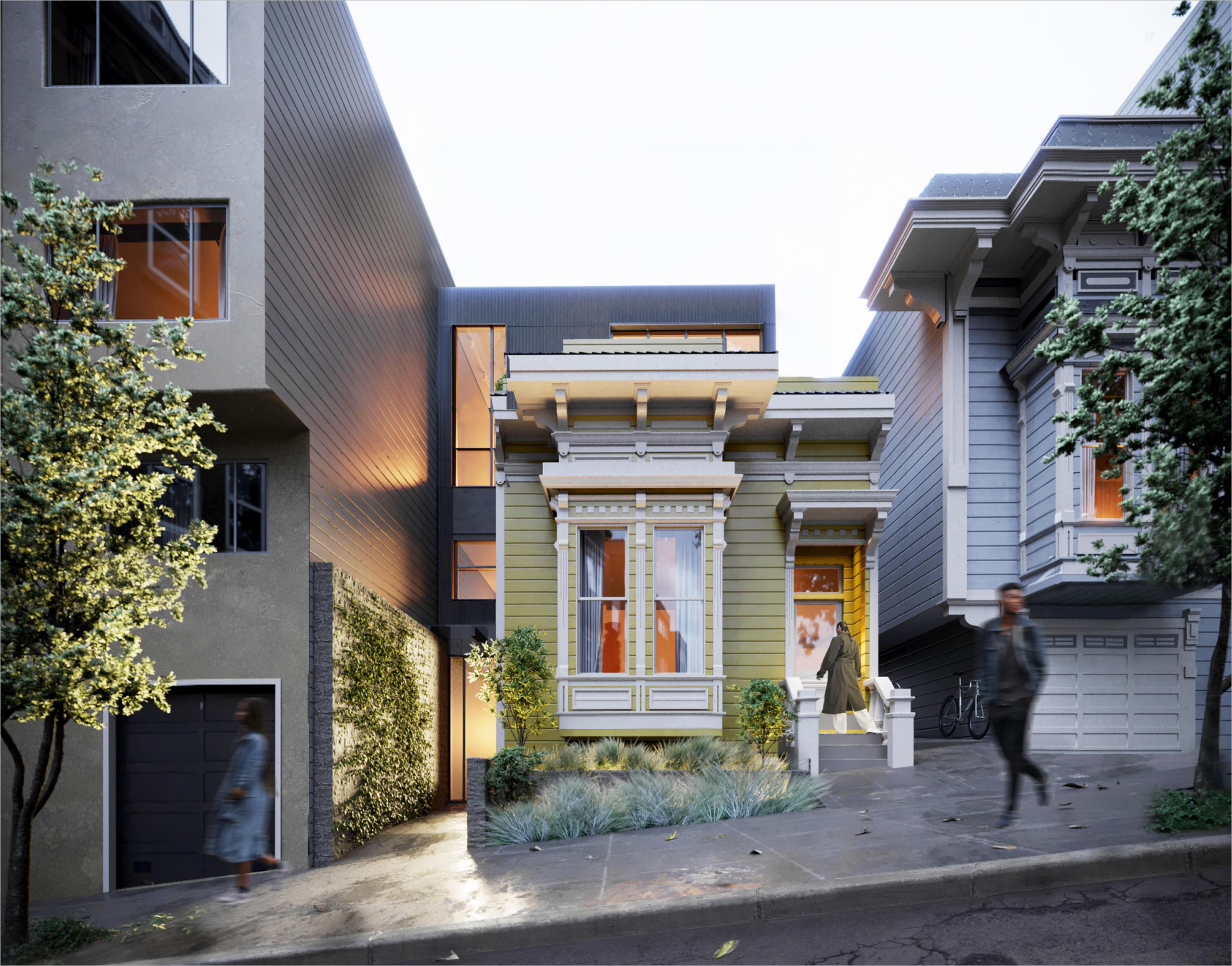
This study reflects a broader category of work Demark does for visionary developers: identifying how much can be built, what approvals will shape the outcome, and how to turn those constraints into a stronger project. On this San Francisco site, protected views and historic review created a tightly regulated envelope for development. Through adjacent-property sight line studies, massing analysis, and context-sensitive design references, we established the maximum feasible addition and translated a difficult approval environment into a clear development path. It is a strong example of how strategic design thinking can unlock value where entitlement is the central challenge.
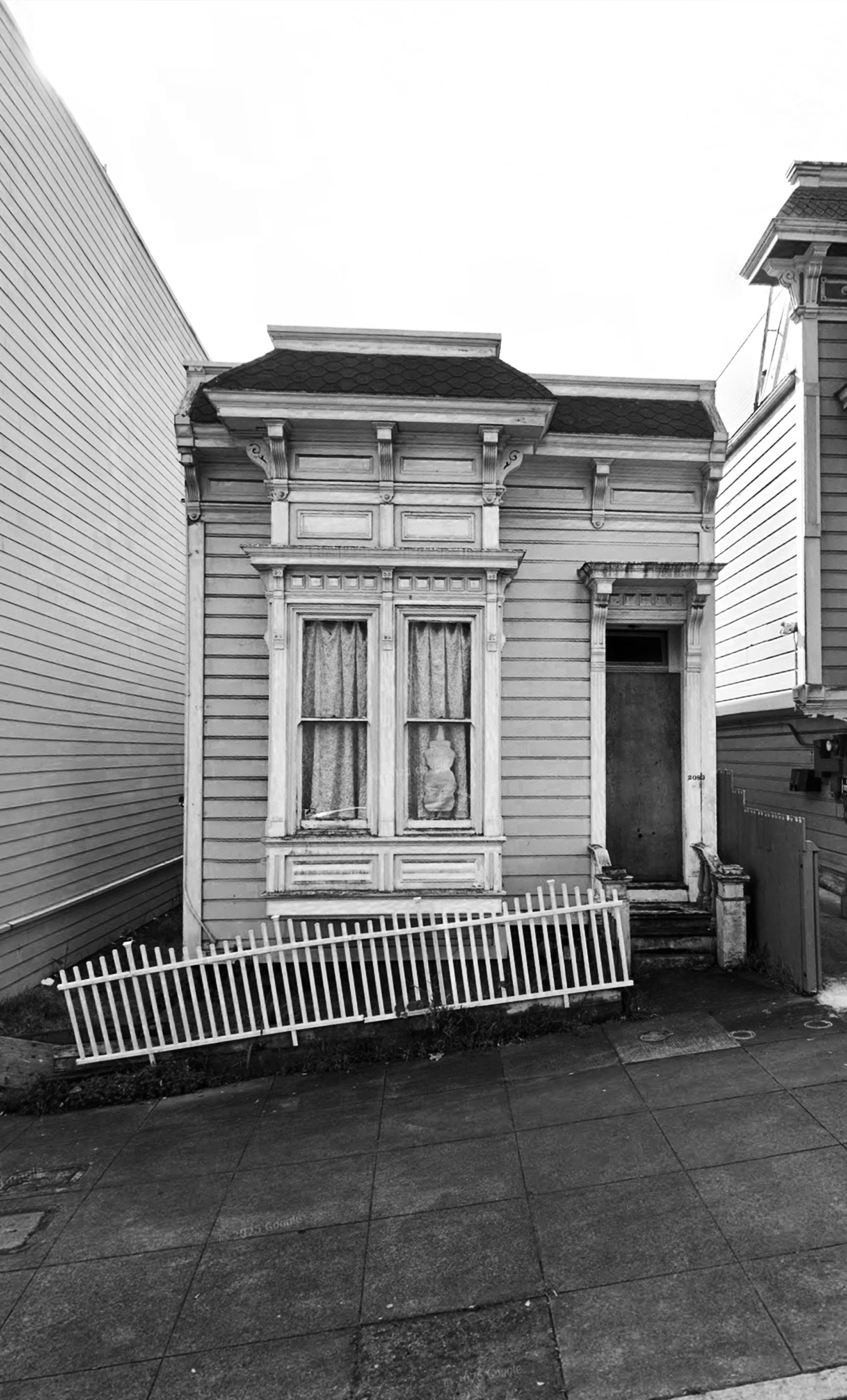
Protected Views as a Design Constraint
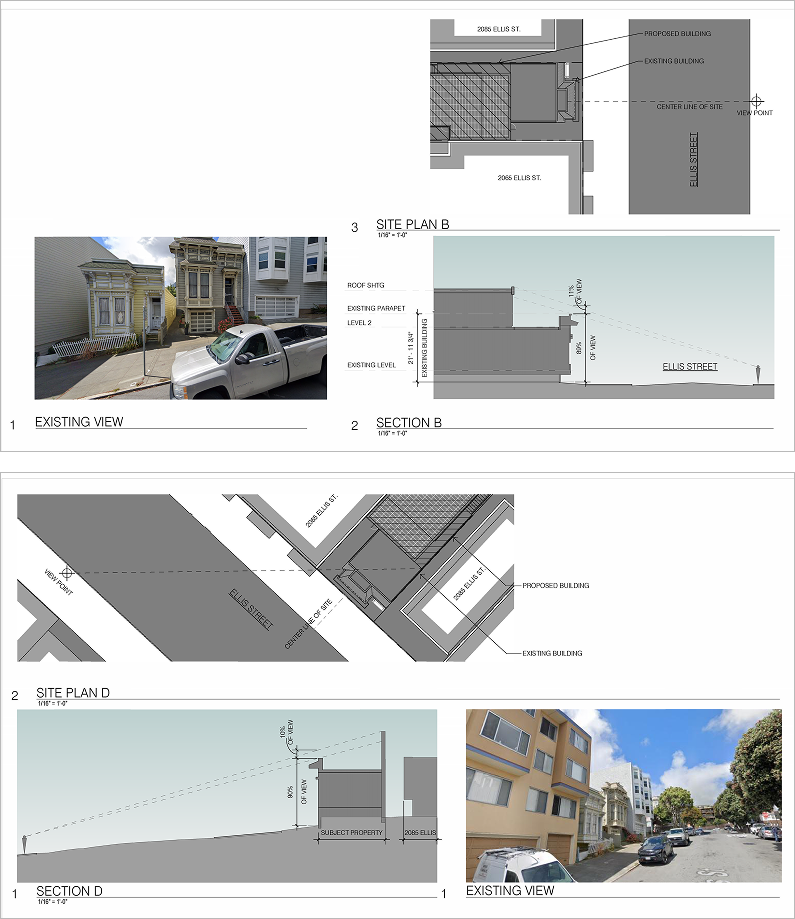
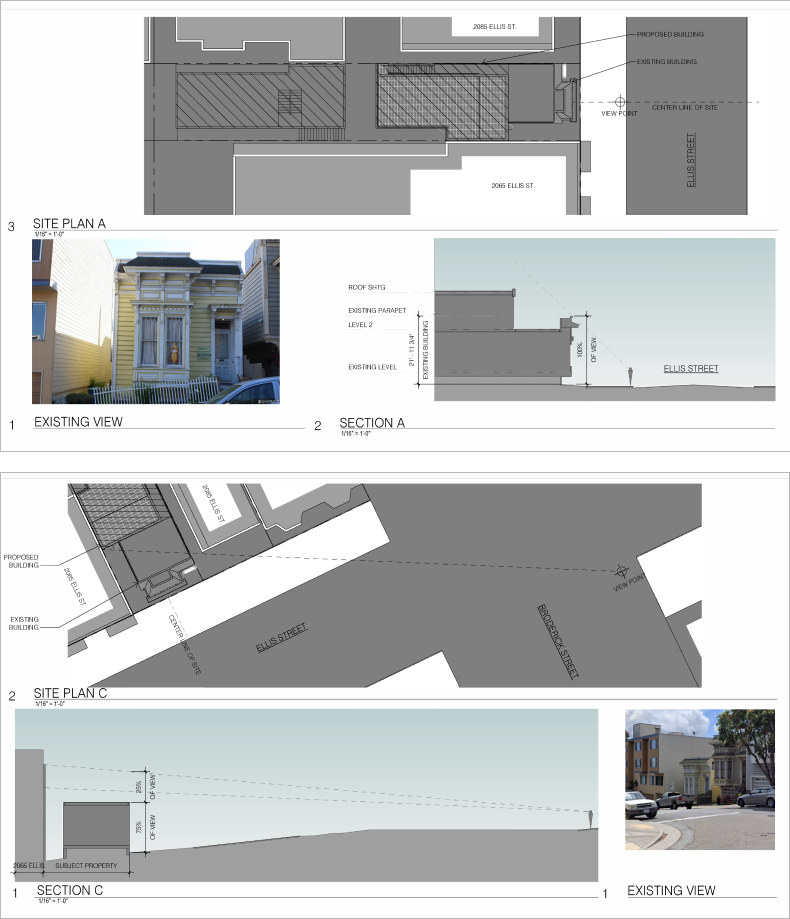
For Ellis Street, protected views from adjacent properties defined the project from the start. Multiple studies established where new massing could be introduced and how much of the existing structure had to remain visible in order to meet historic view protection requirements.
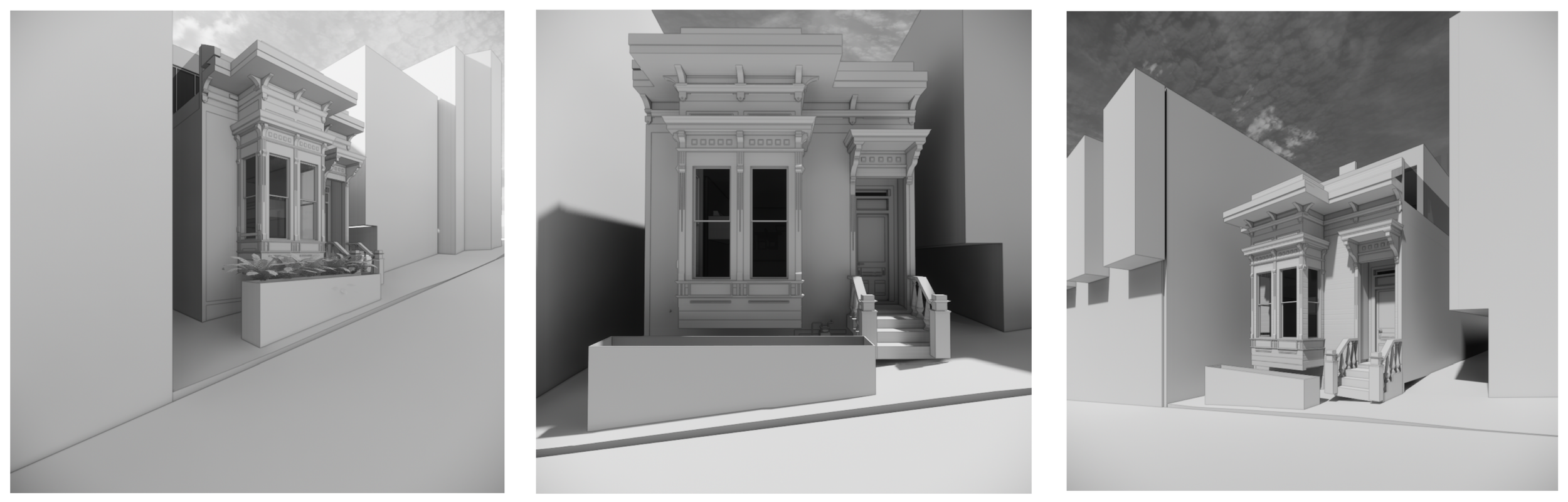
Testing the Buildable Envelope
We studied sight lines from multiple neighboring properties to measure preservation thresholds across key vantage points. That process turned a complex approval issue into a clearer framework for determining the maximum feasible addition.
From Analysis to Development Strategy
Once the allowable envelope was established, the project moved from analysis to strategy. The proposed addition translated view and historic constraints into a viable architectural direction, pairing contemporary massing and material studies with a clearer path through review.