
Demark Studio is an architecture practice built on collaborative process, rigorous craft, and turning constraints into opportunities.
We practice a process of discovery that begins before architecture and continues through completion. Every project is an act of dialogue—between site and structure, challenge and possibility, architect and client. We work through constraints and integrate ideas across disciplines to create spaces that feel inevitable.
Successful development depends on turning feasibility, site constraints, and budget realities into a clear architectural idea that can support decisions and hold through what actually gets built.
See more →
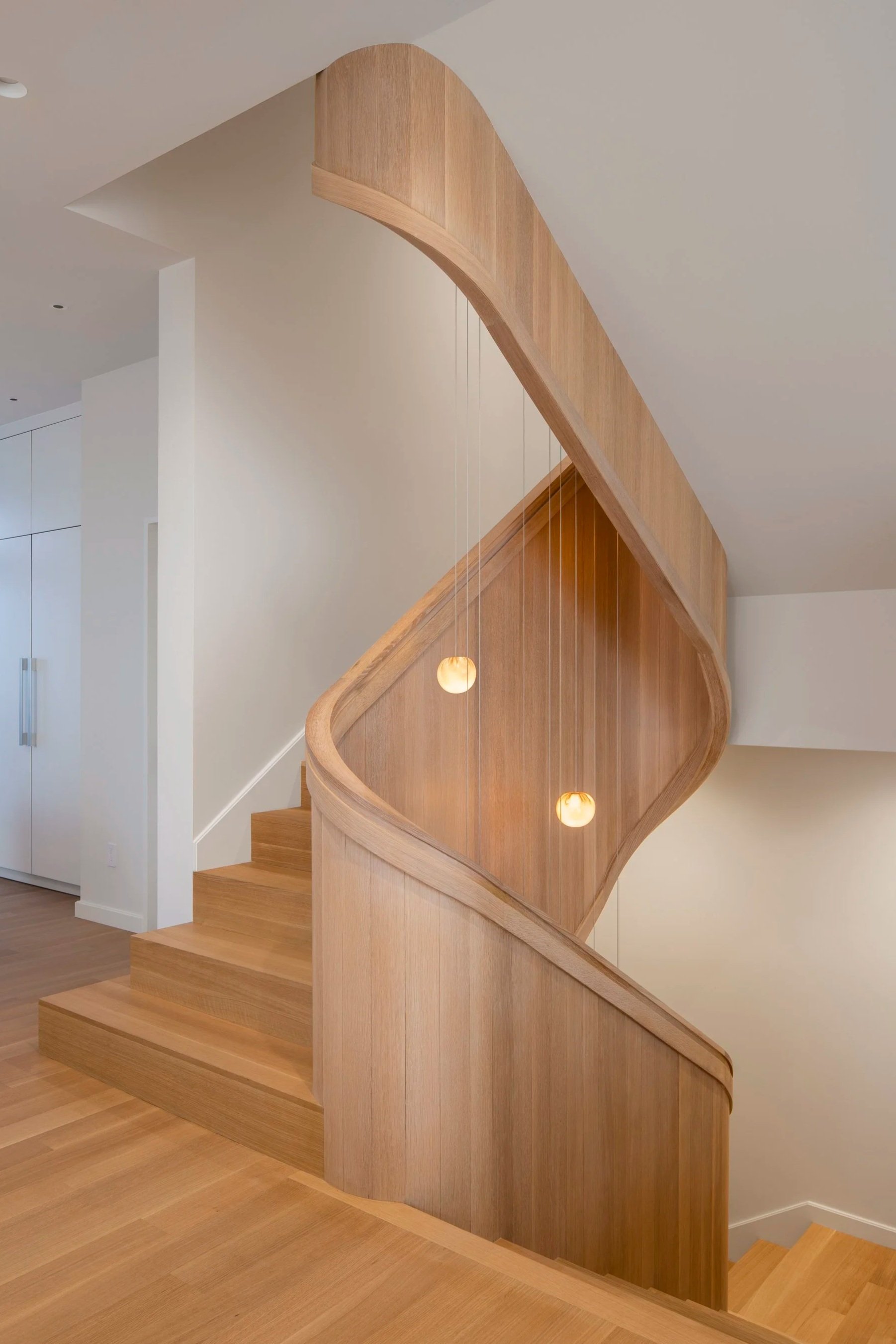
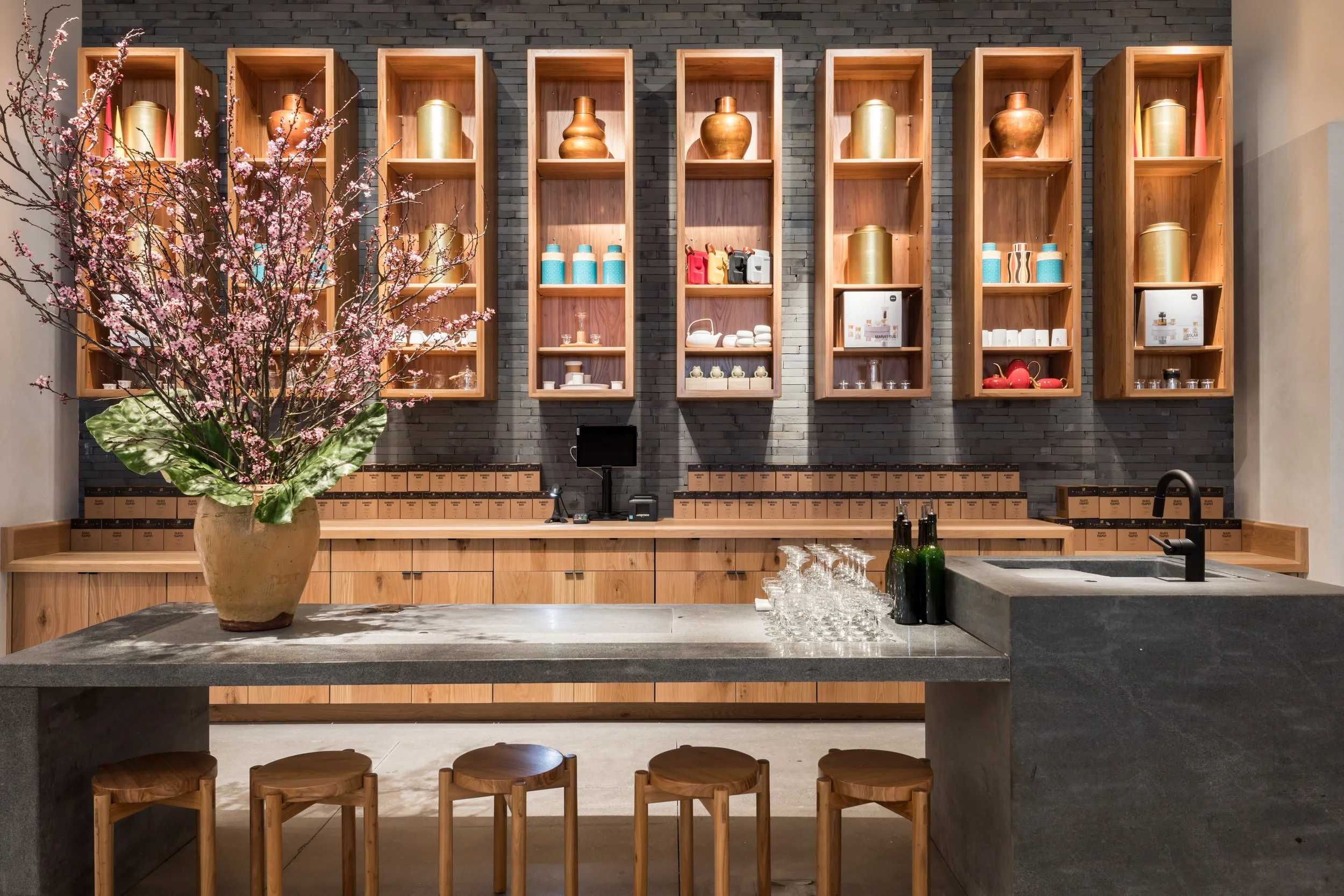
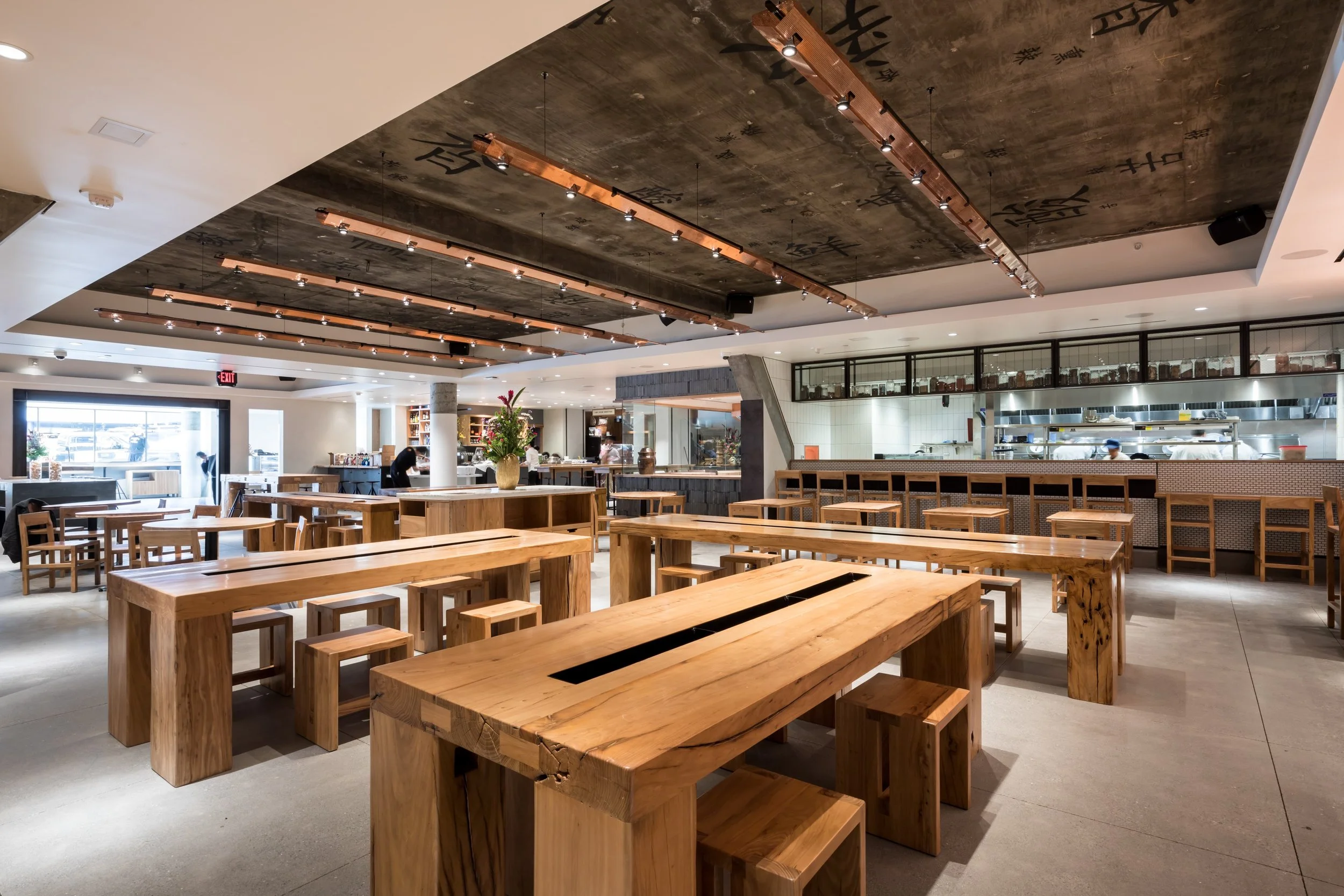
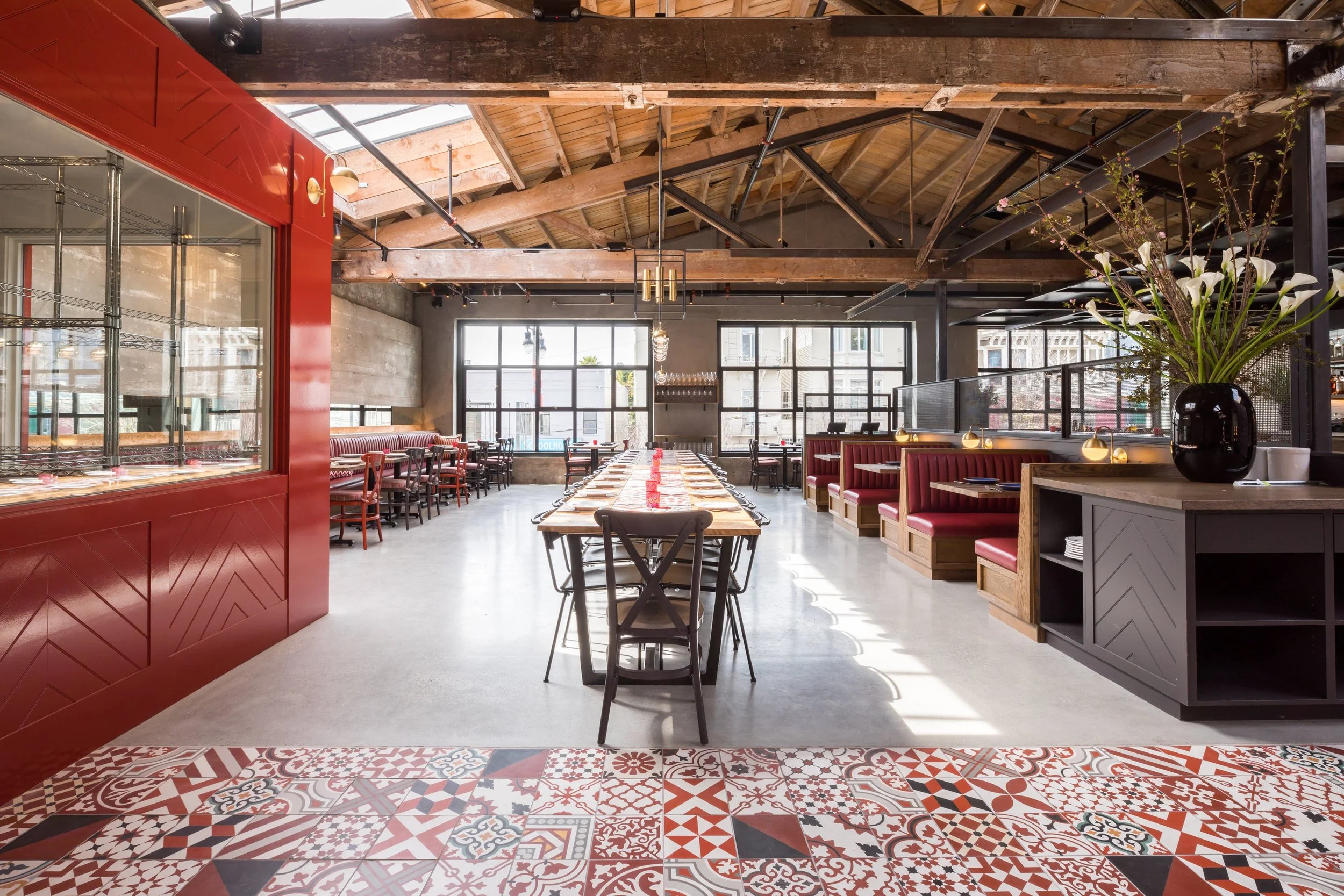
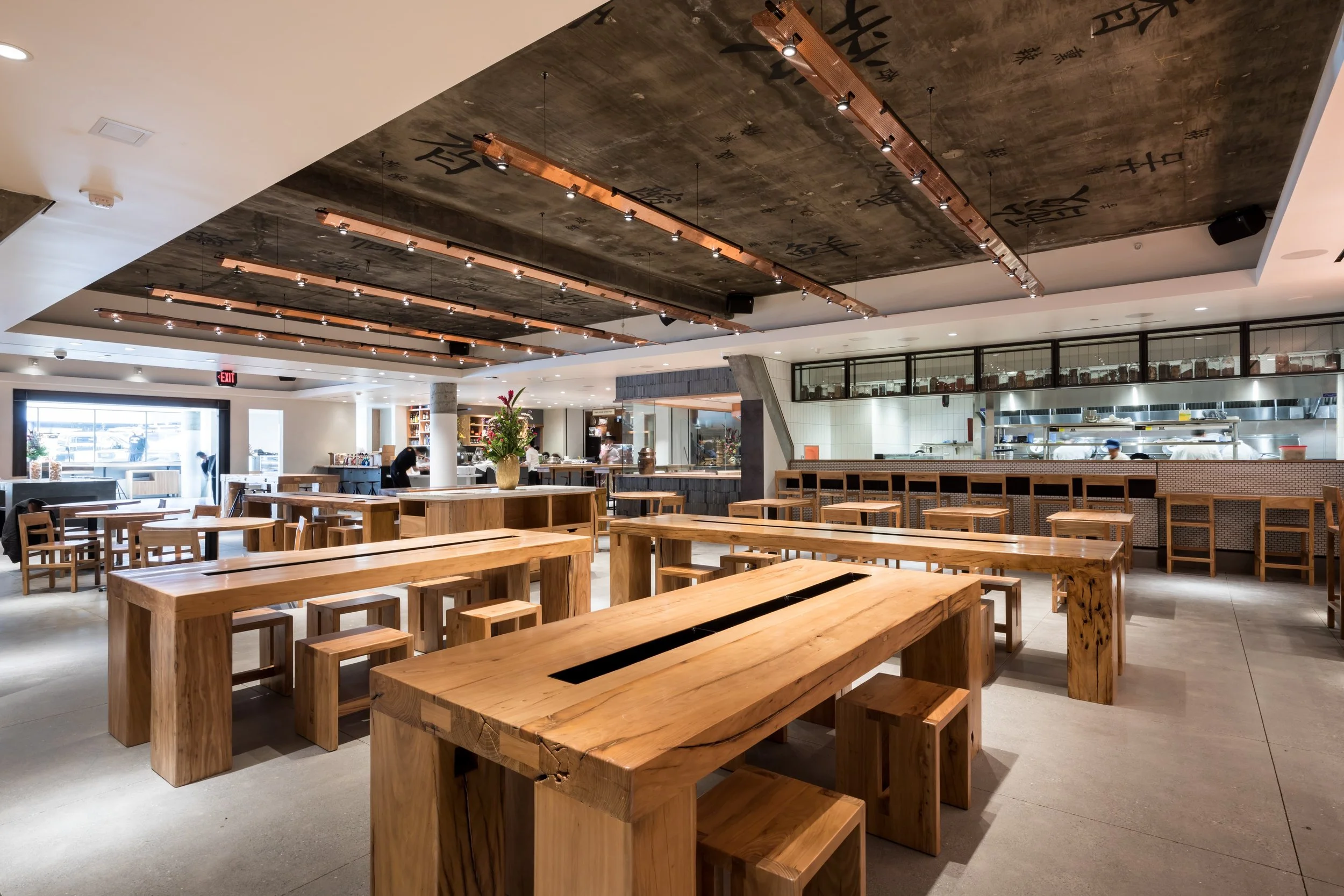
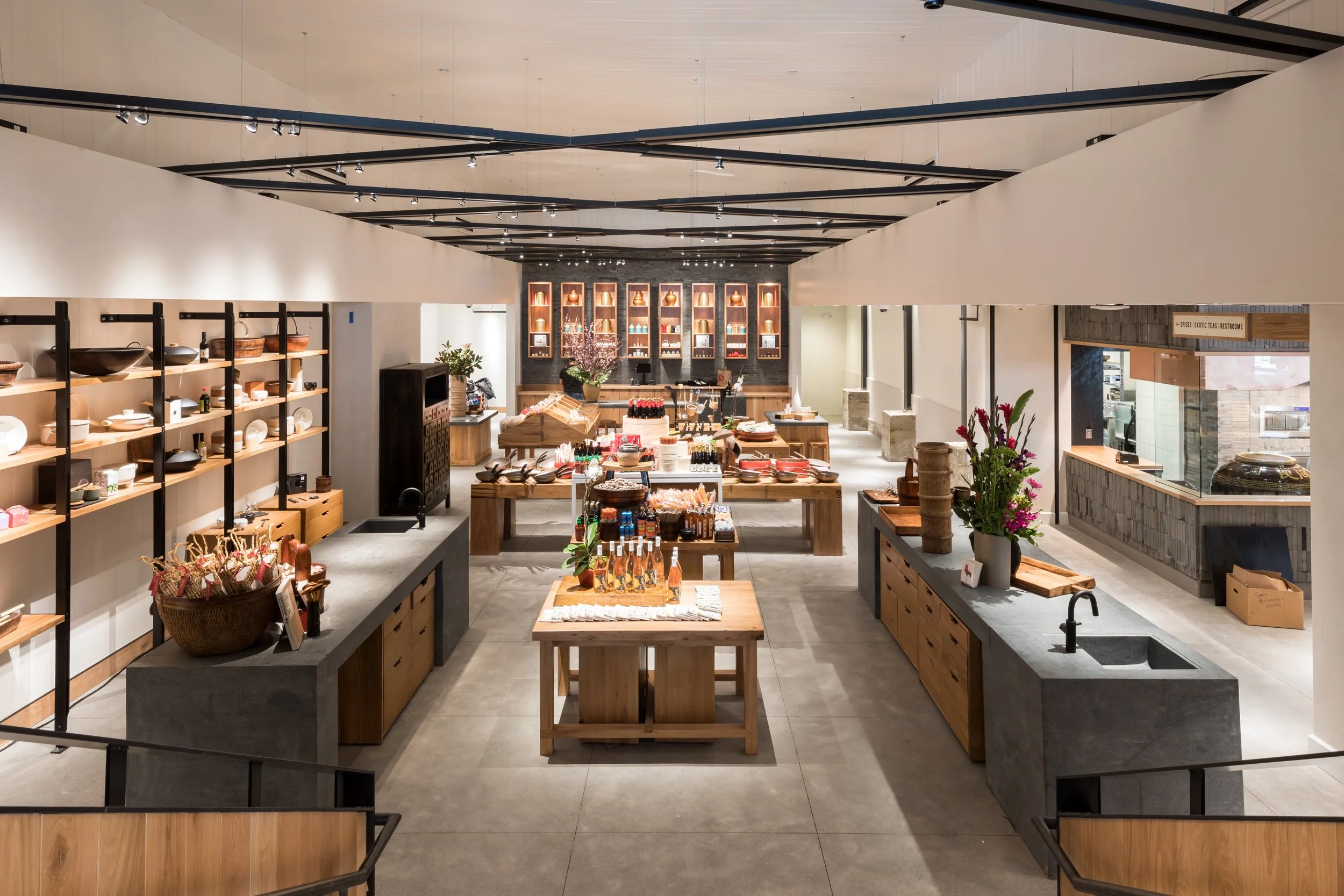
Memorable retail and hospitality spaces grow from a clear concept carried consistently through brand, operations, and architecture, so the experience feels coherent from first impression to daily use.
See more →
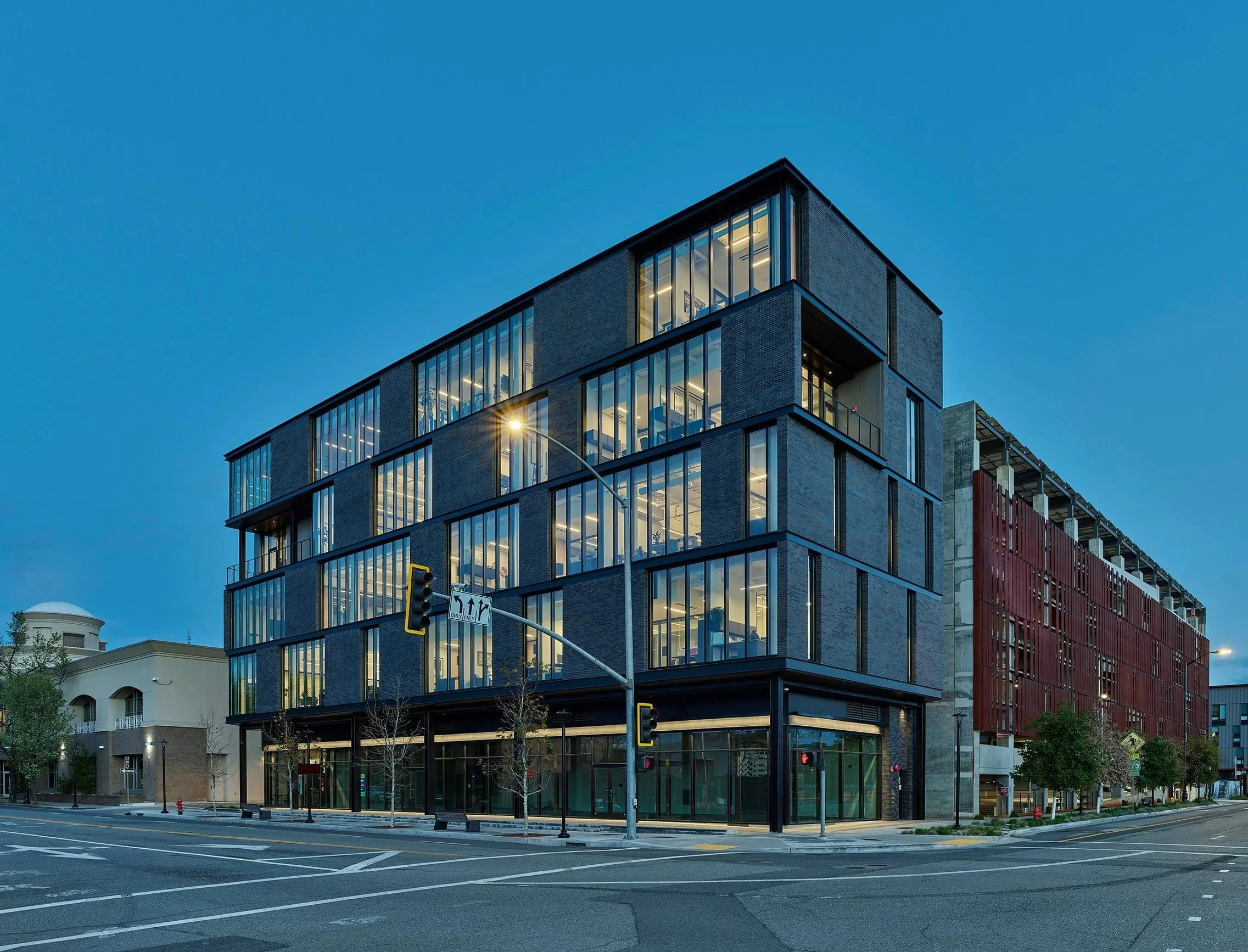
Office & Education
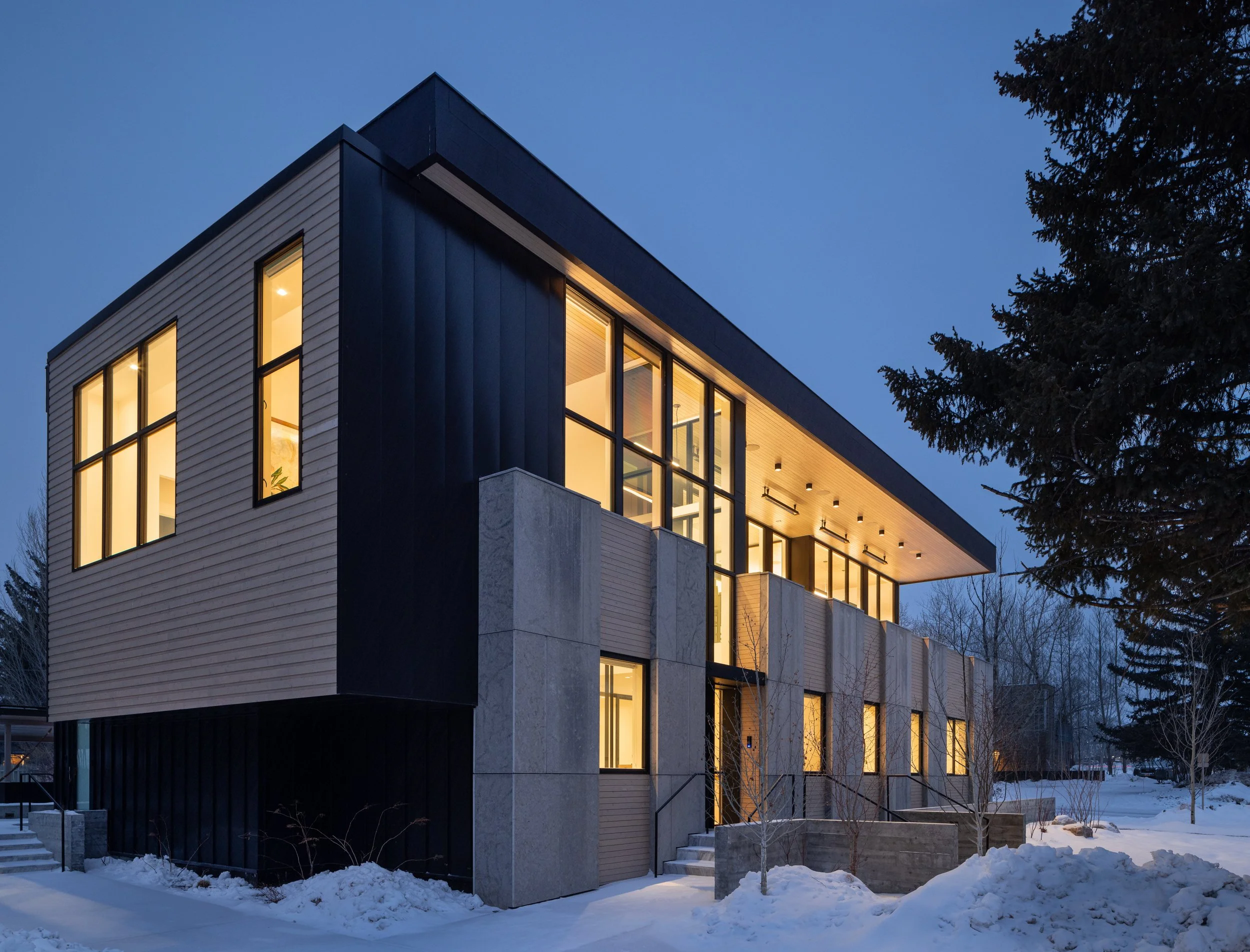
Effective workplace and learning environments are shaped around the people who use them, with form, structure, and material decisions reinforcing the larger purpose of the organization.
See more →
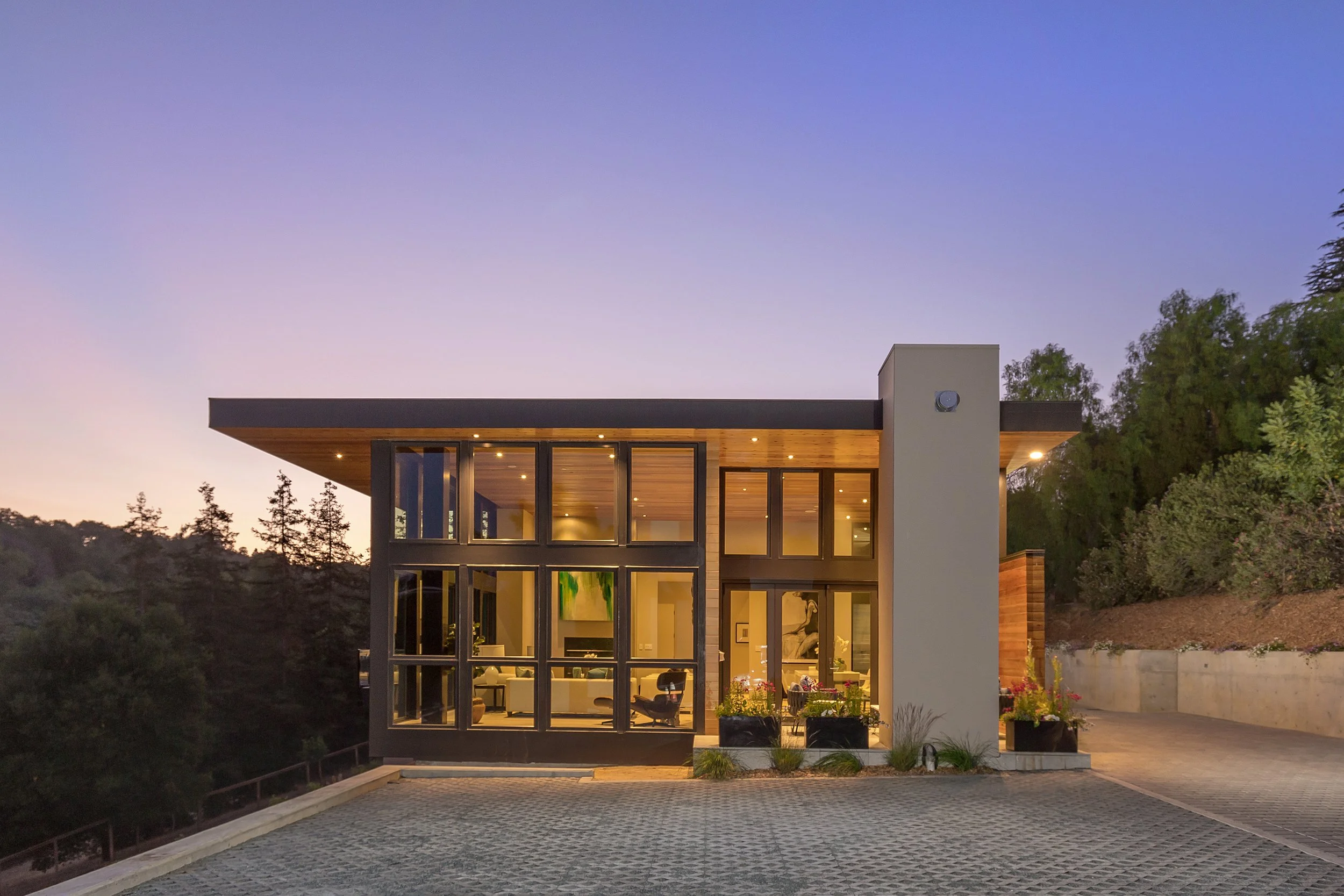
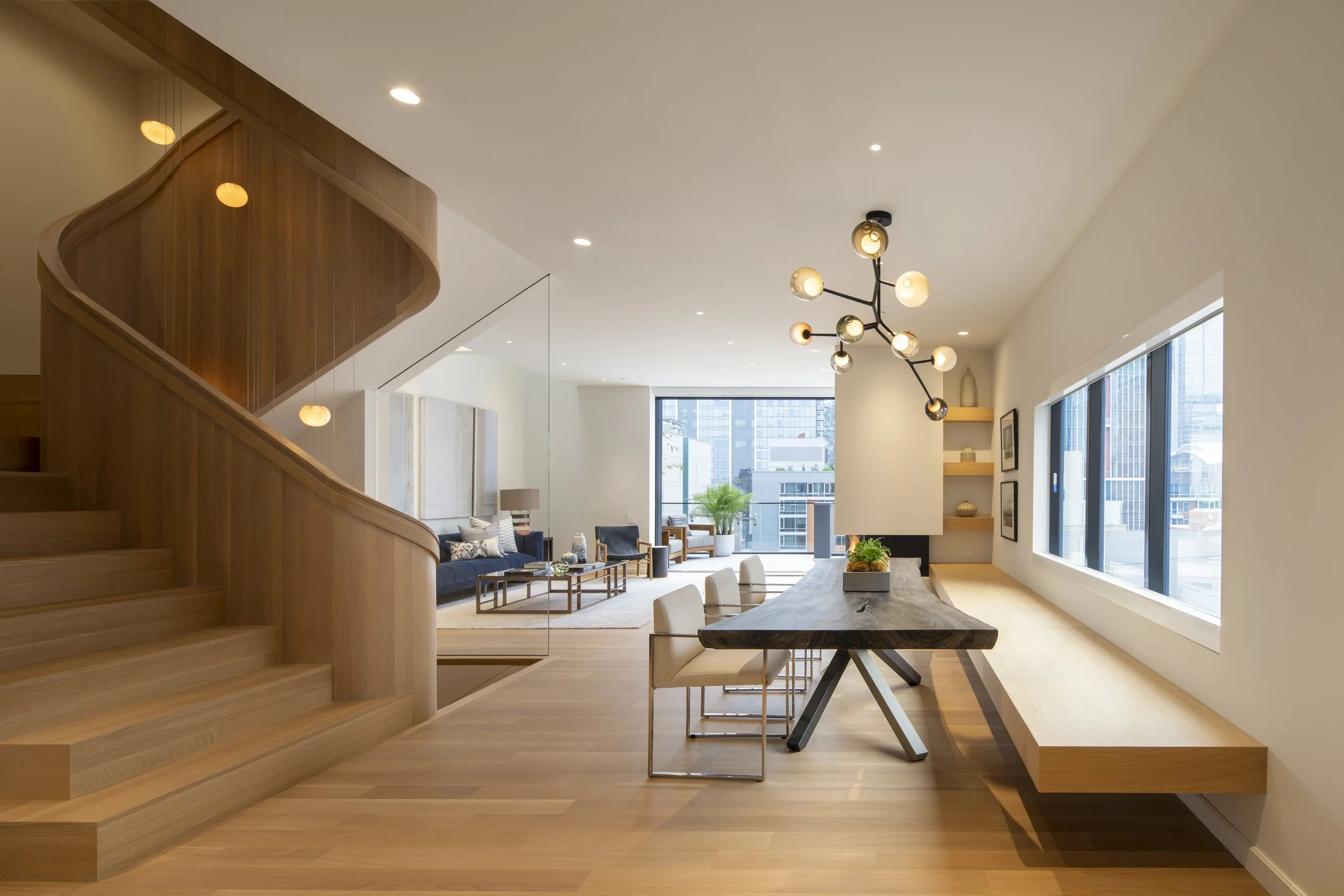
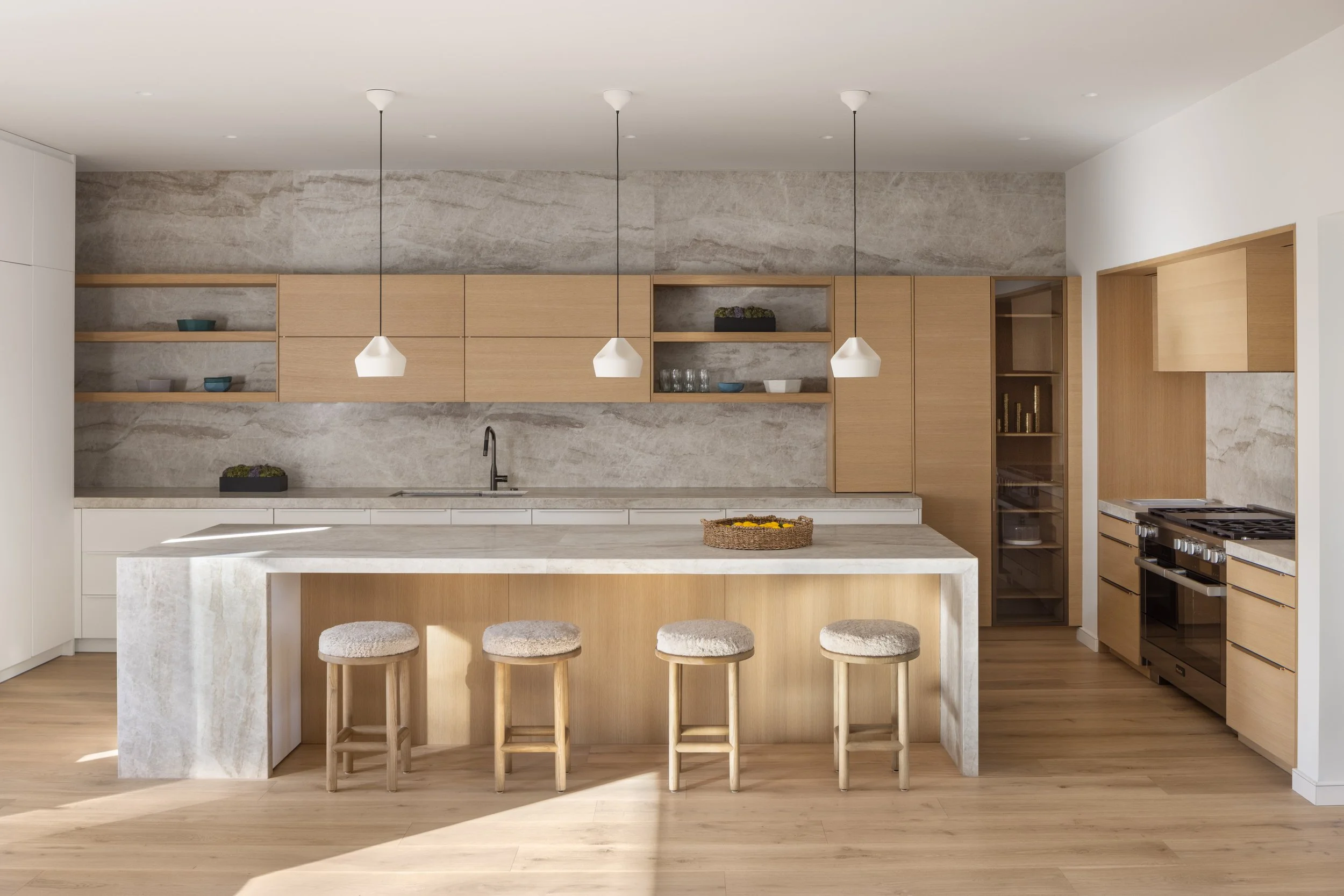
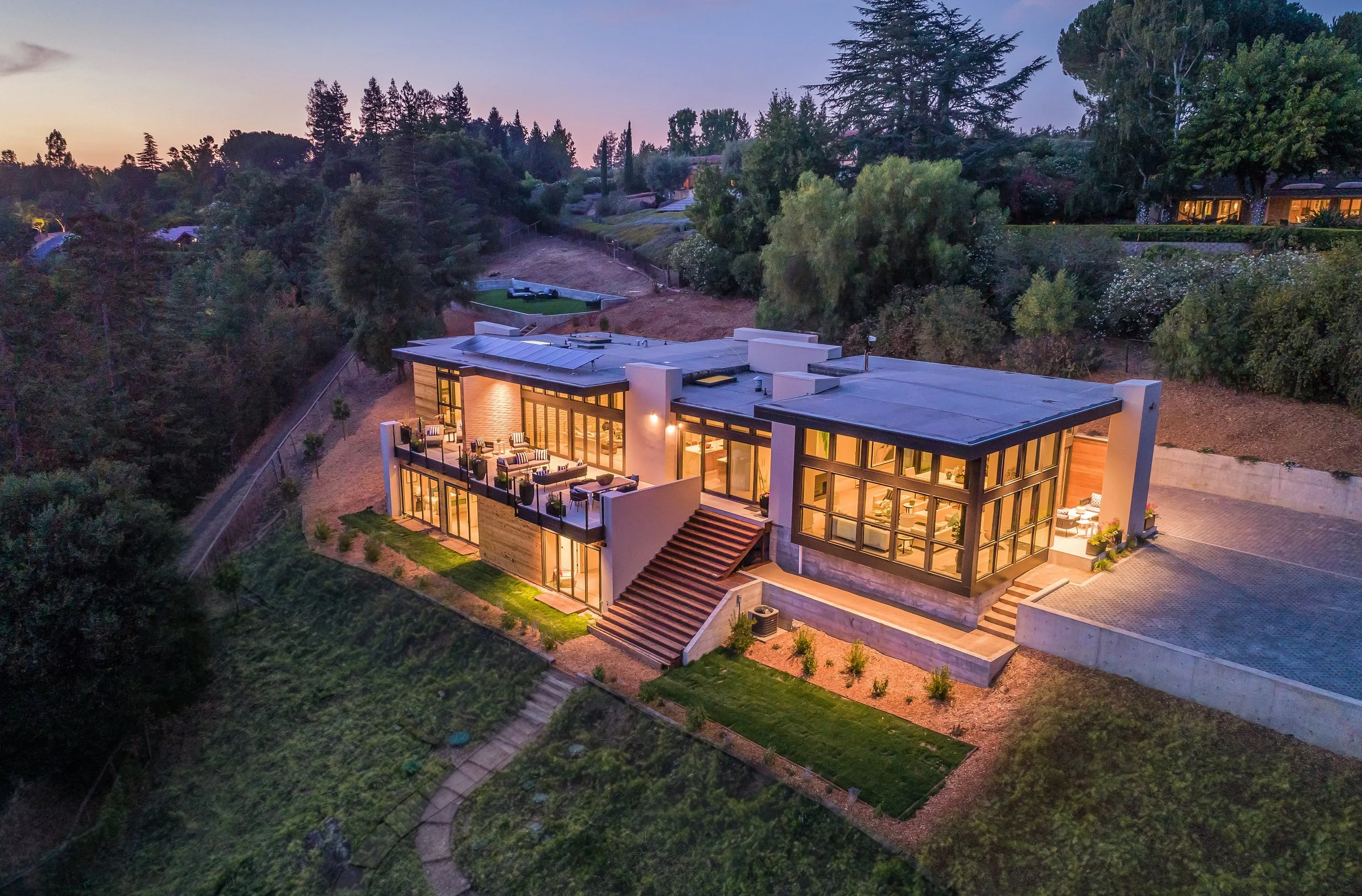
Great homes begin with a close reading of how people want to live and what a site can genuinely support, shaping spaces that feel resolved, specific, and deeply tied to their setting.
See more →
Recent Projects
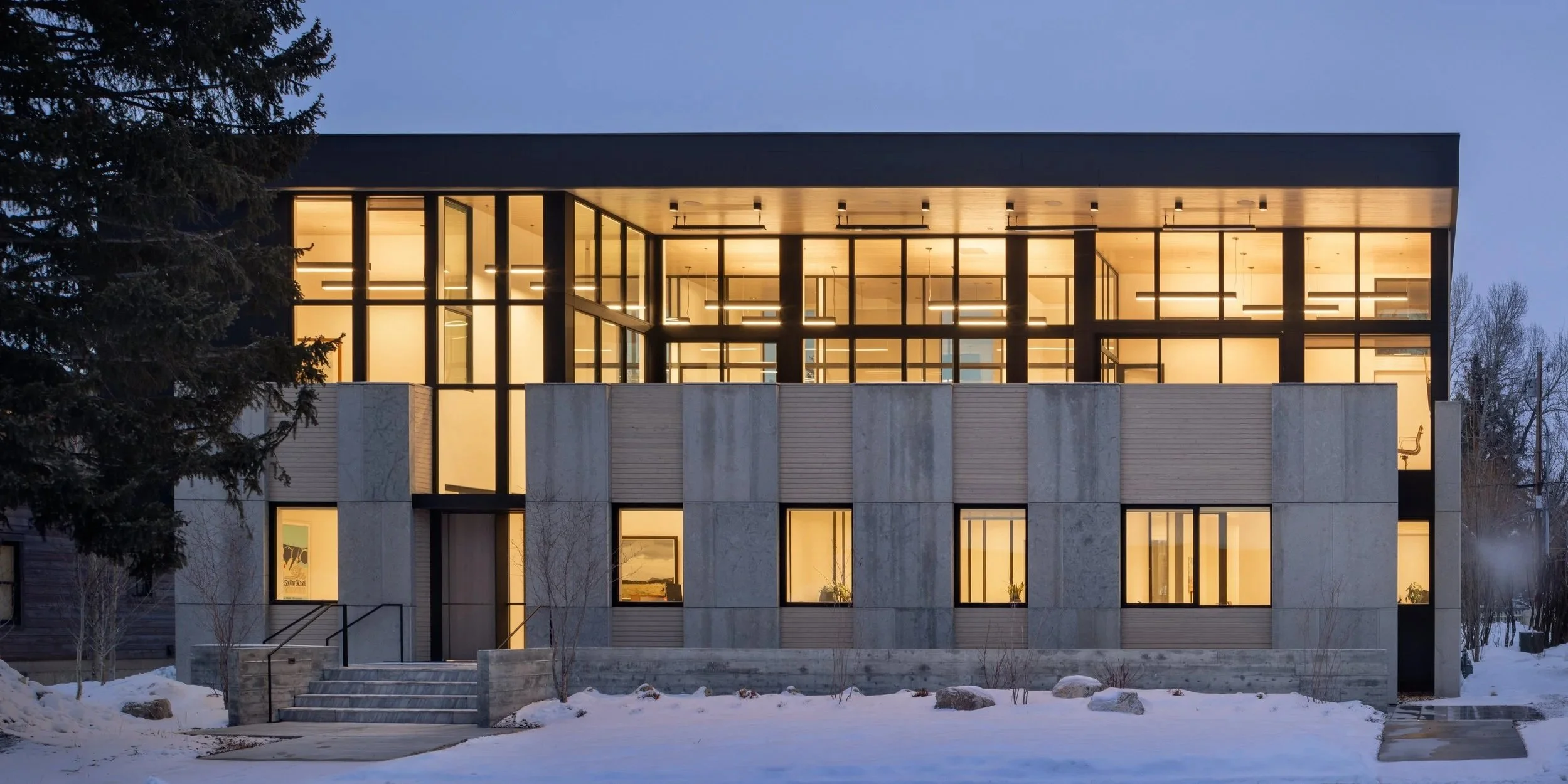
Snow King Office and the Practice of Clarity
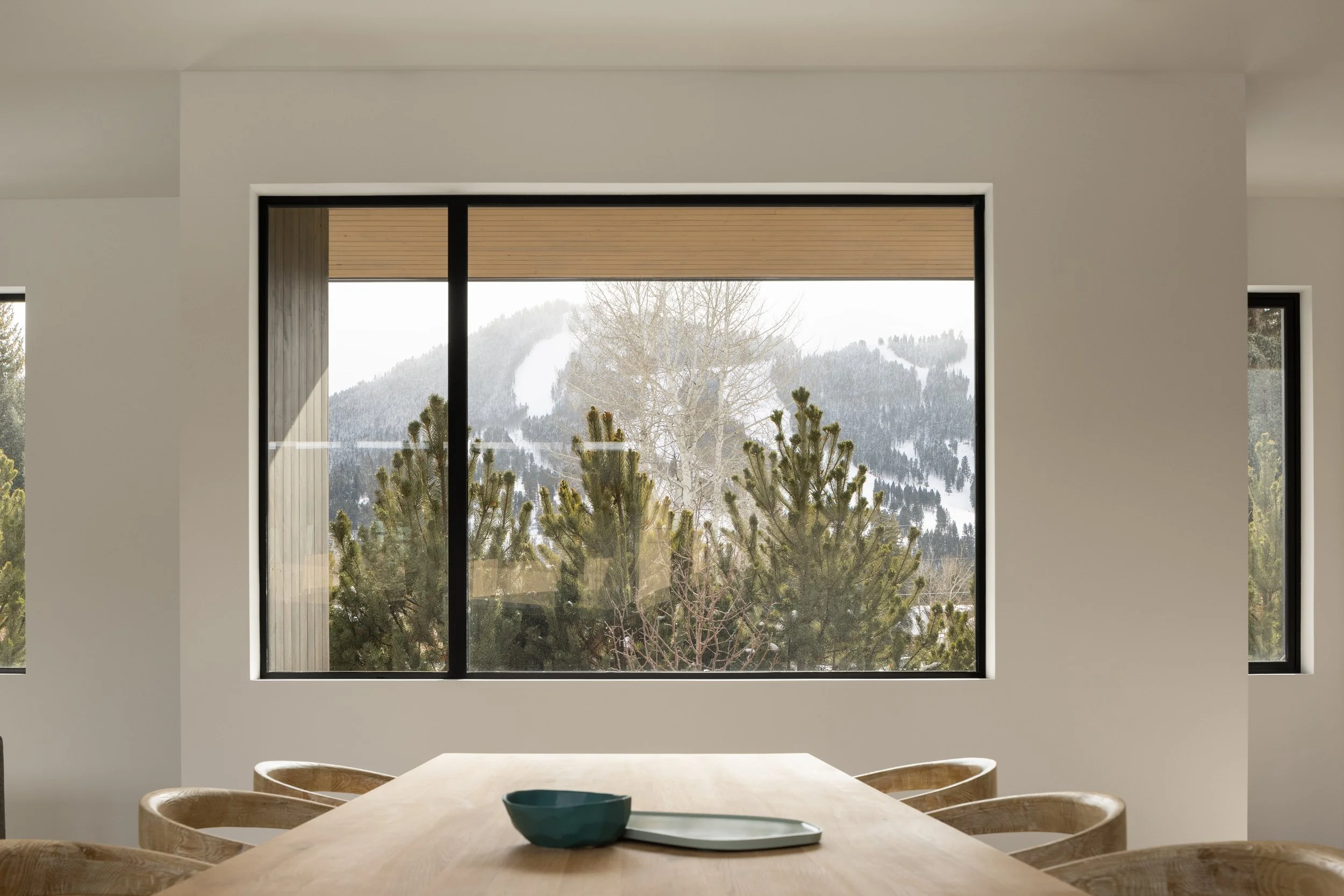
Demark's work begins with inquiry, collaboration, and a close reading of context, helping broad goals and real constraints take shape as a clear architectural idea. At Snow King Mountain in Jackson, Wyoming, that approach produced a compact headquarters that responds to both its alpine setting and the rhythms of office life. Daylight, framed views, and clear spatial organization work together to create a workplace that feels grounded, precise, and enduring.
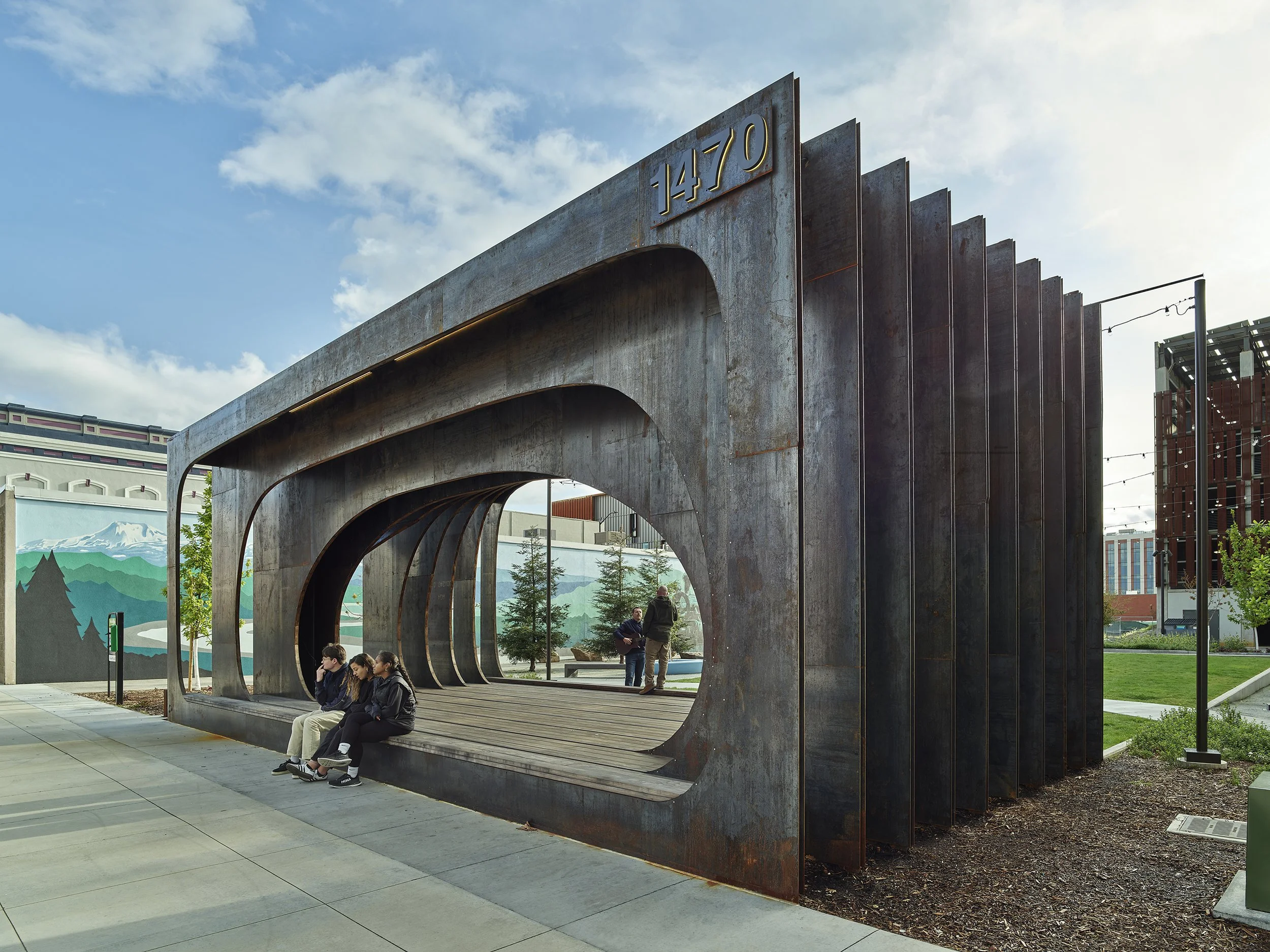
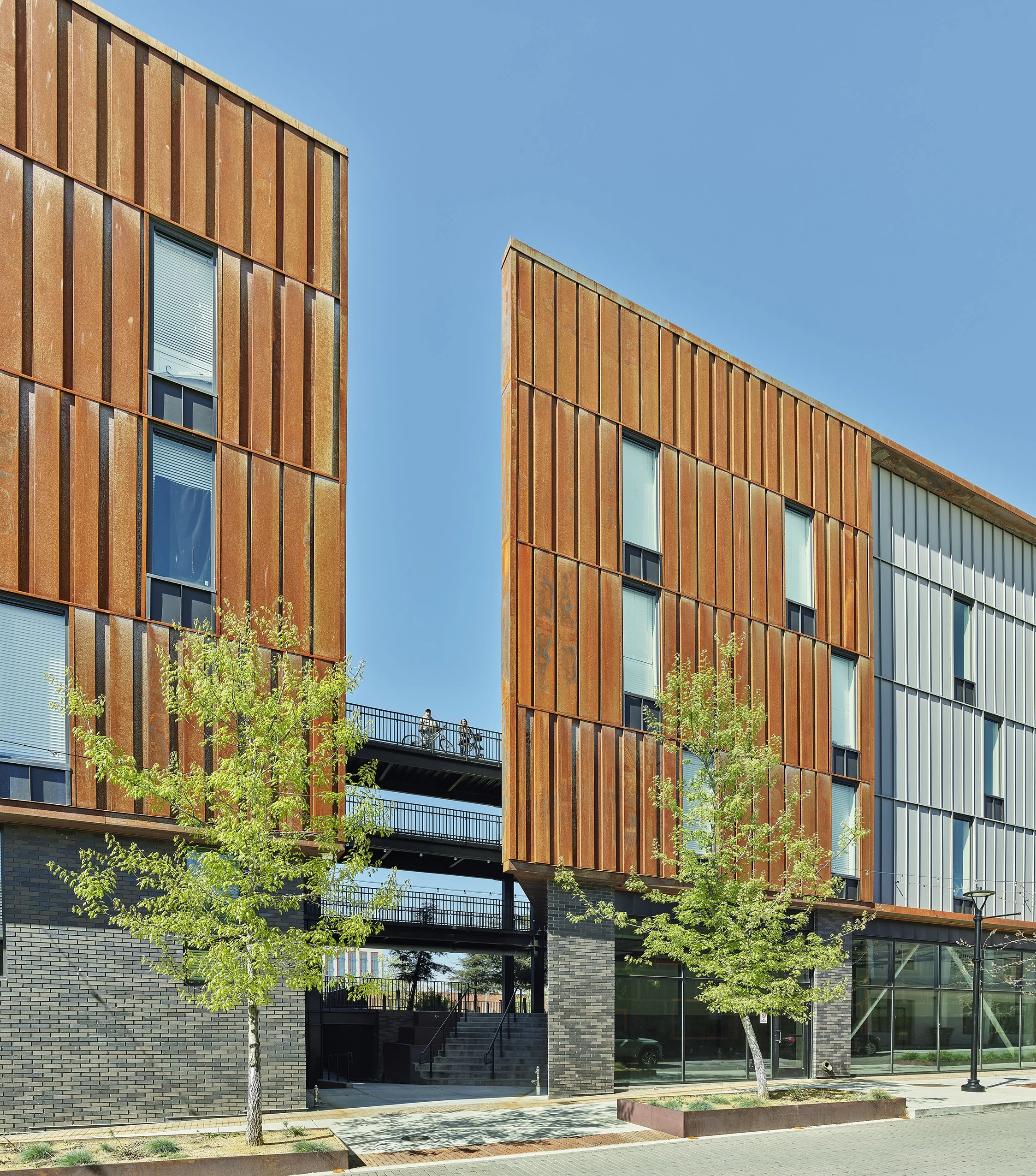
Block 7 Development
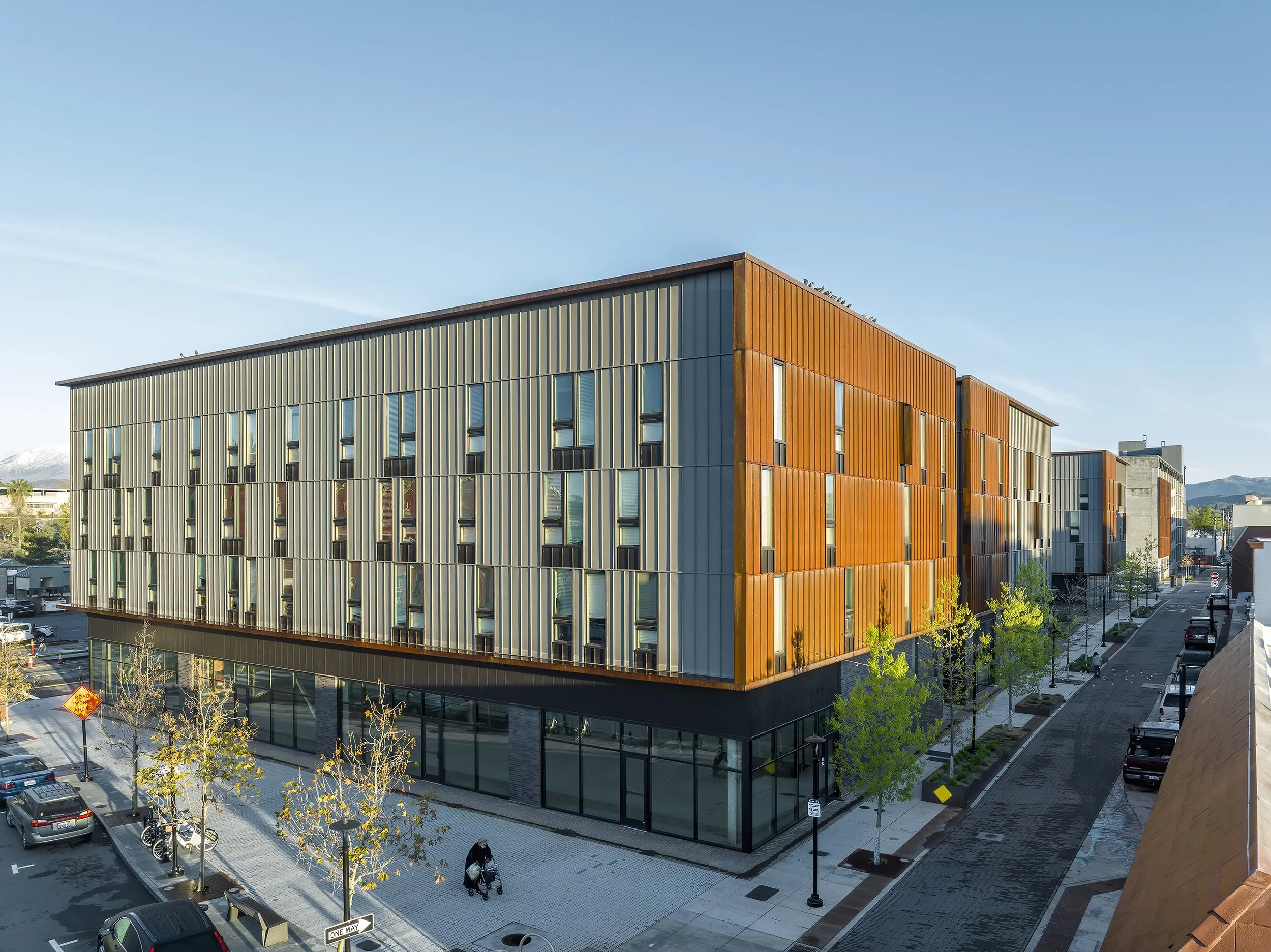
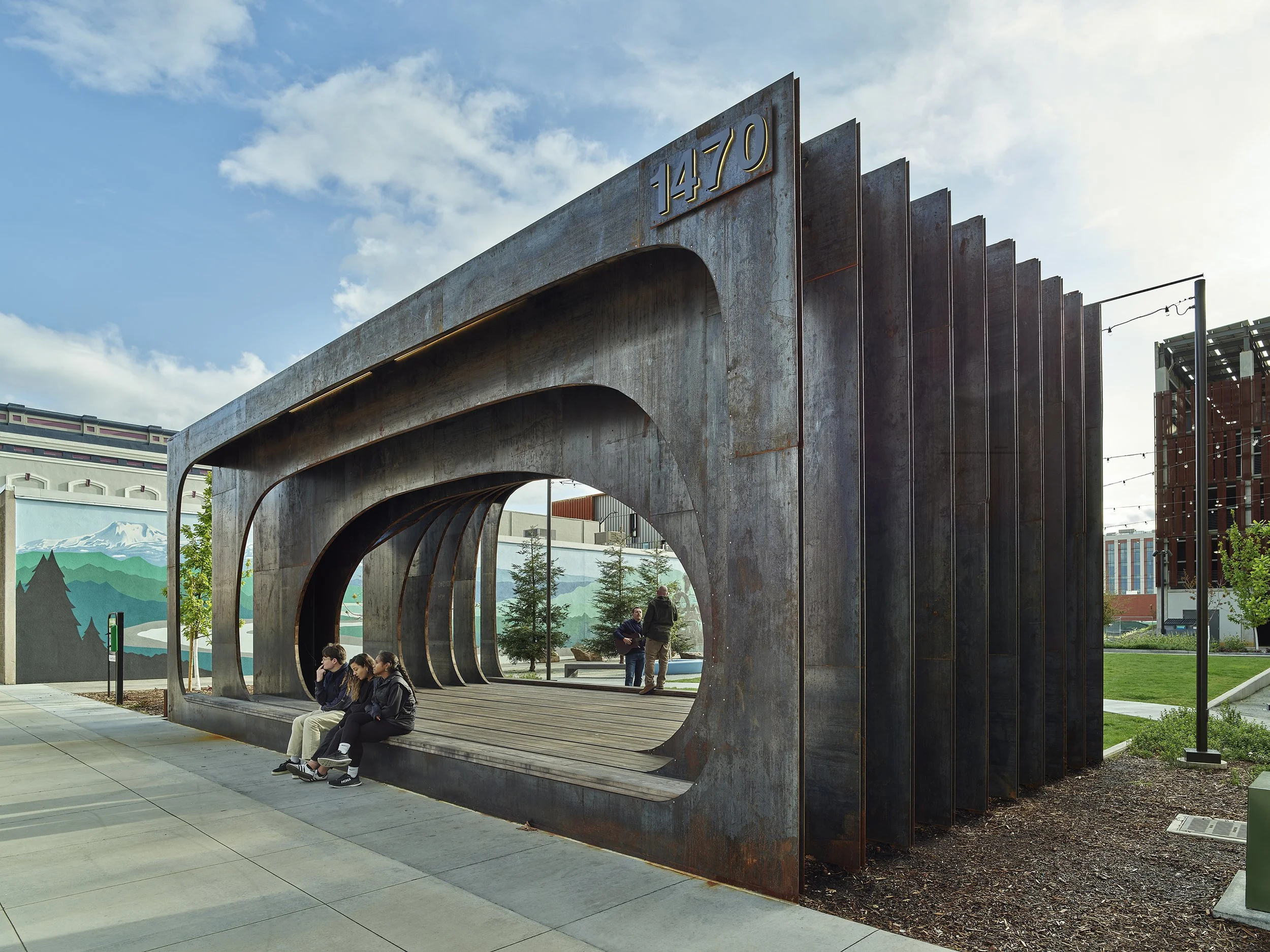
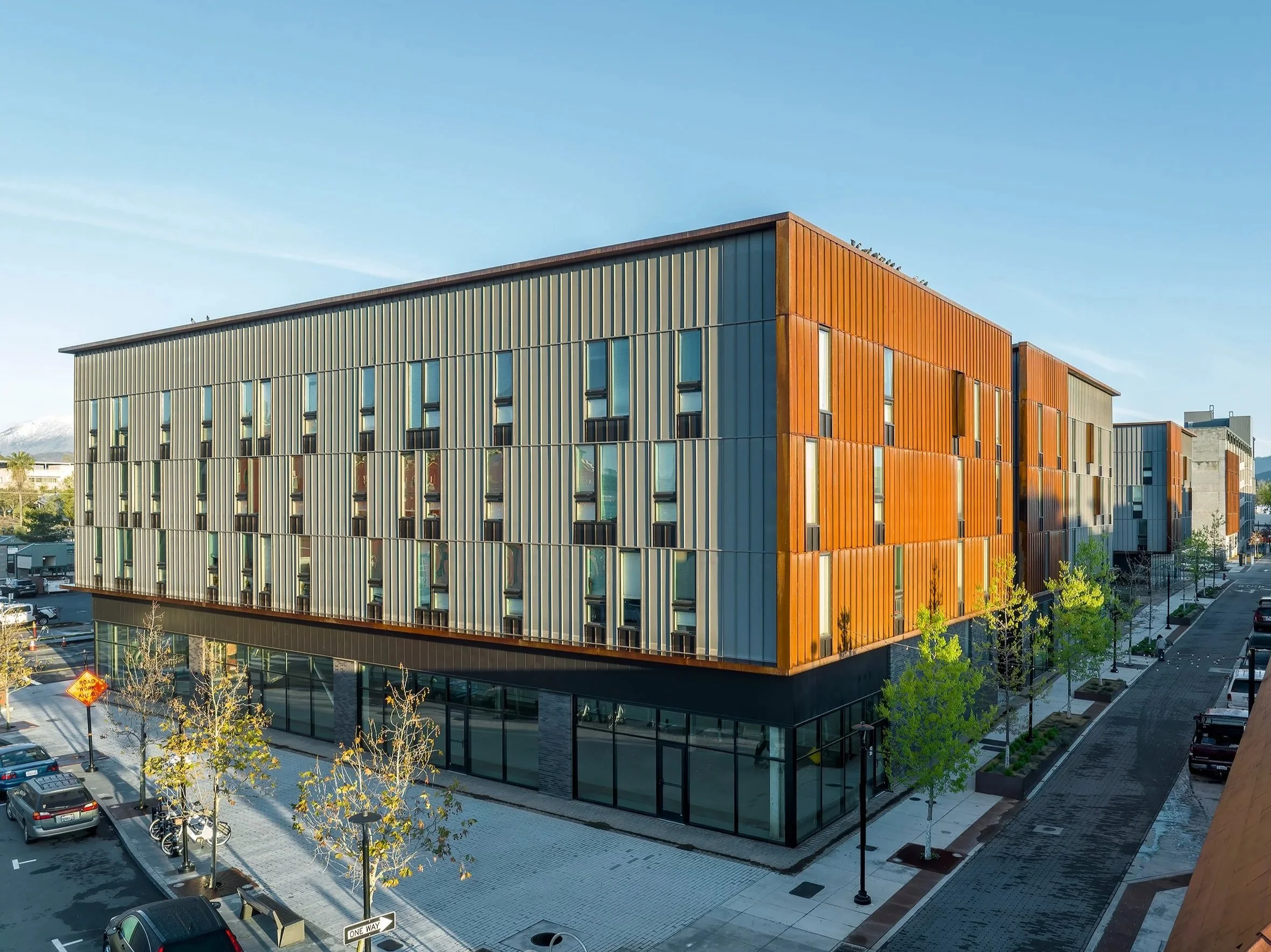
Across three city blocks in downtown Redding, Block 7 turns a run-down parking structure into a mixed-use neighborhood organized around connection, activity, and public life. Housing, workplaces, retail, and parkland are planned as parts of a larger urban system, with pedestrian-friendly streets and active edges helping extend the project into the surrounding city. More than a collection of buildings, it is a district-scale strategy for restoring everyday use and long-term value to the downtown core. The project shows how development can work at once as planning, infrastructure, and place-making.
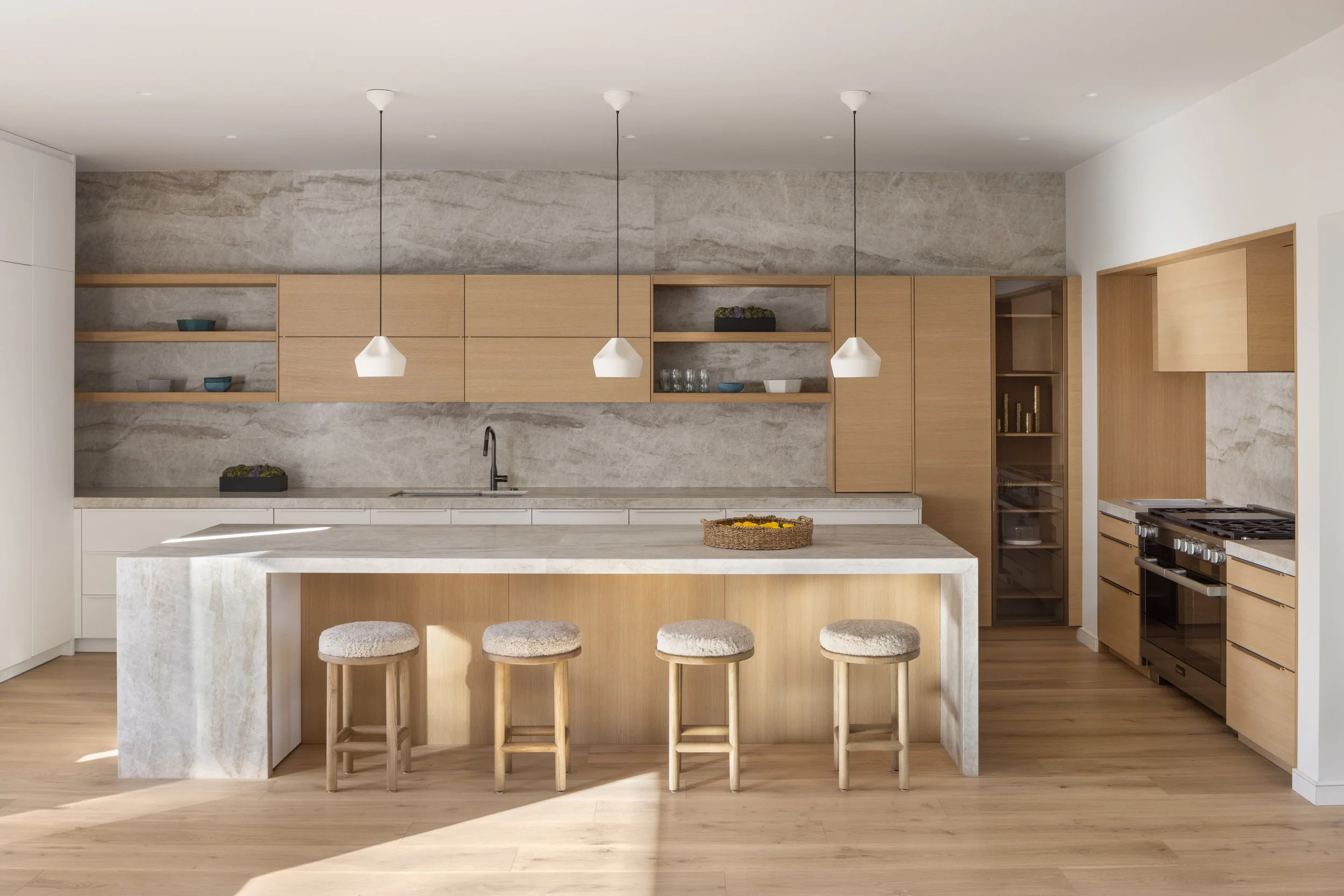
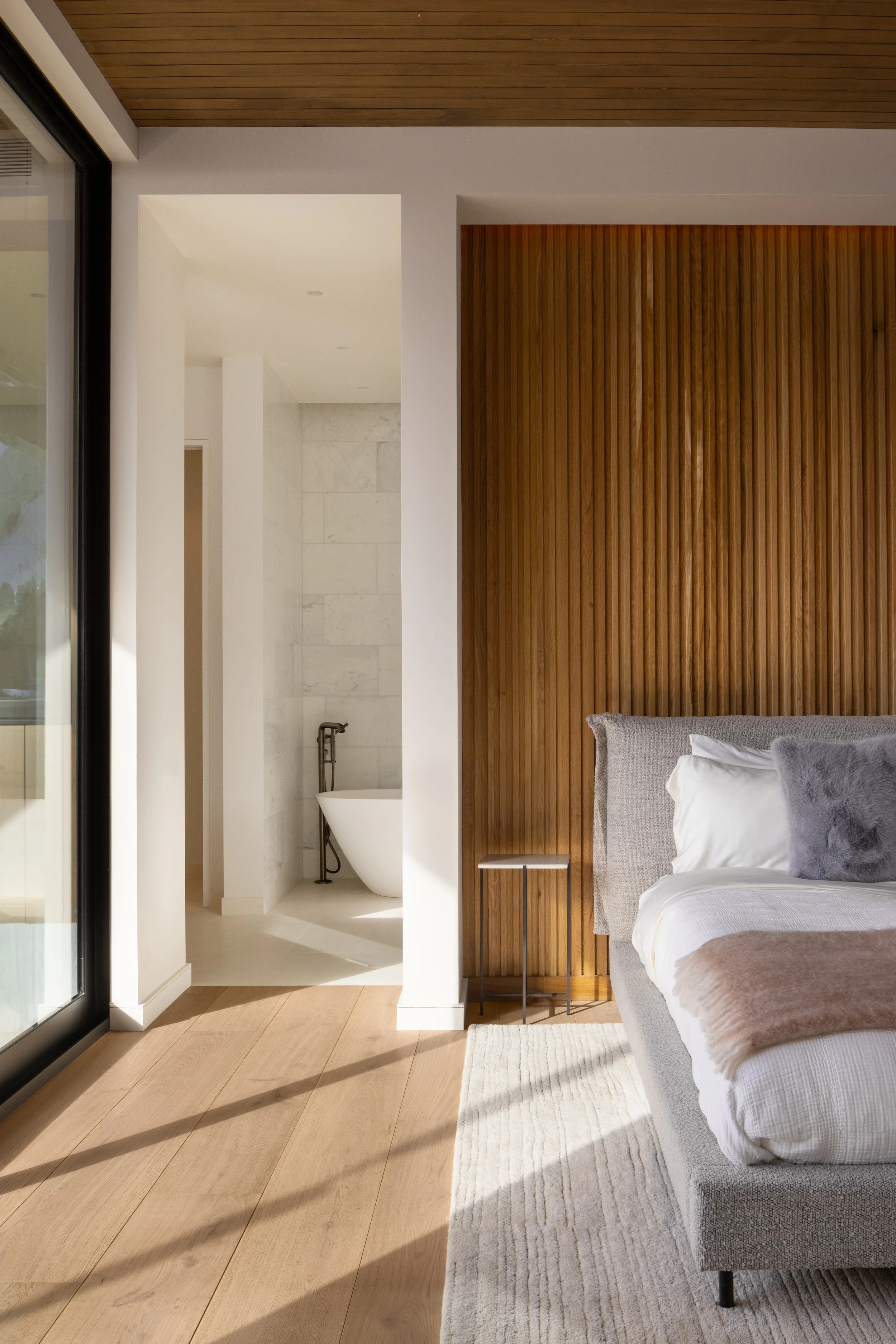
Teton House - Residential Design Rooted in How People Live
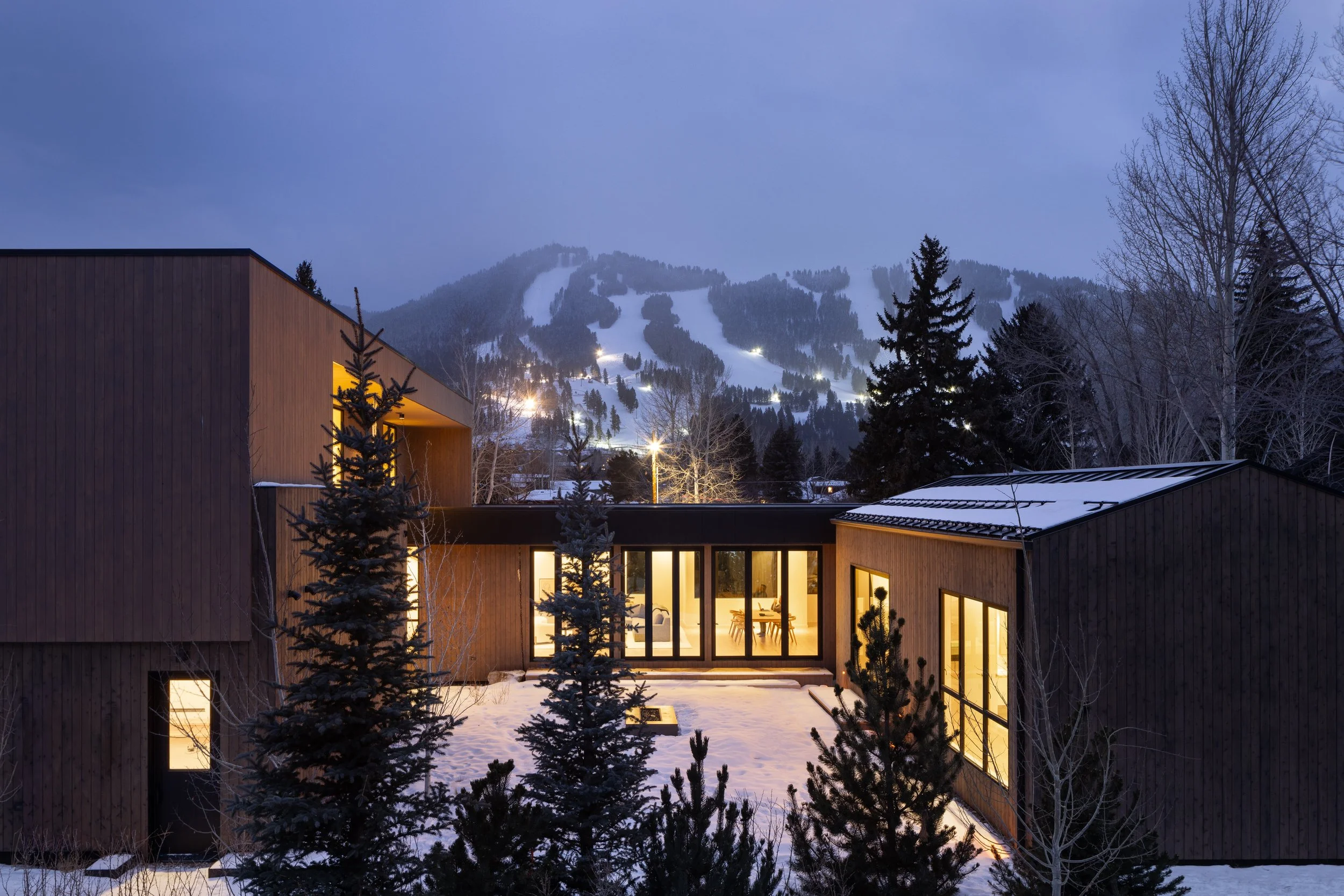
Teton House reflects a residential approach grounded in close listening, careful site response, and the rhythms of daily life. In Jackson, Wyoming, the home is organized around a central courtyard that brings daylight deep into the plan while creating privacy from neighboring properties. View corridors and solar exposure shape the layout, helping each space feel connected to the landscape without losing a sense of shelter. It is a project shaped by the belief that a home should feel both highly personal and inseparable from its place.
Spring Hill Montessori and the Architecture of Learning
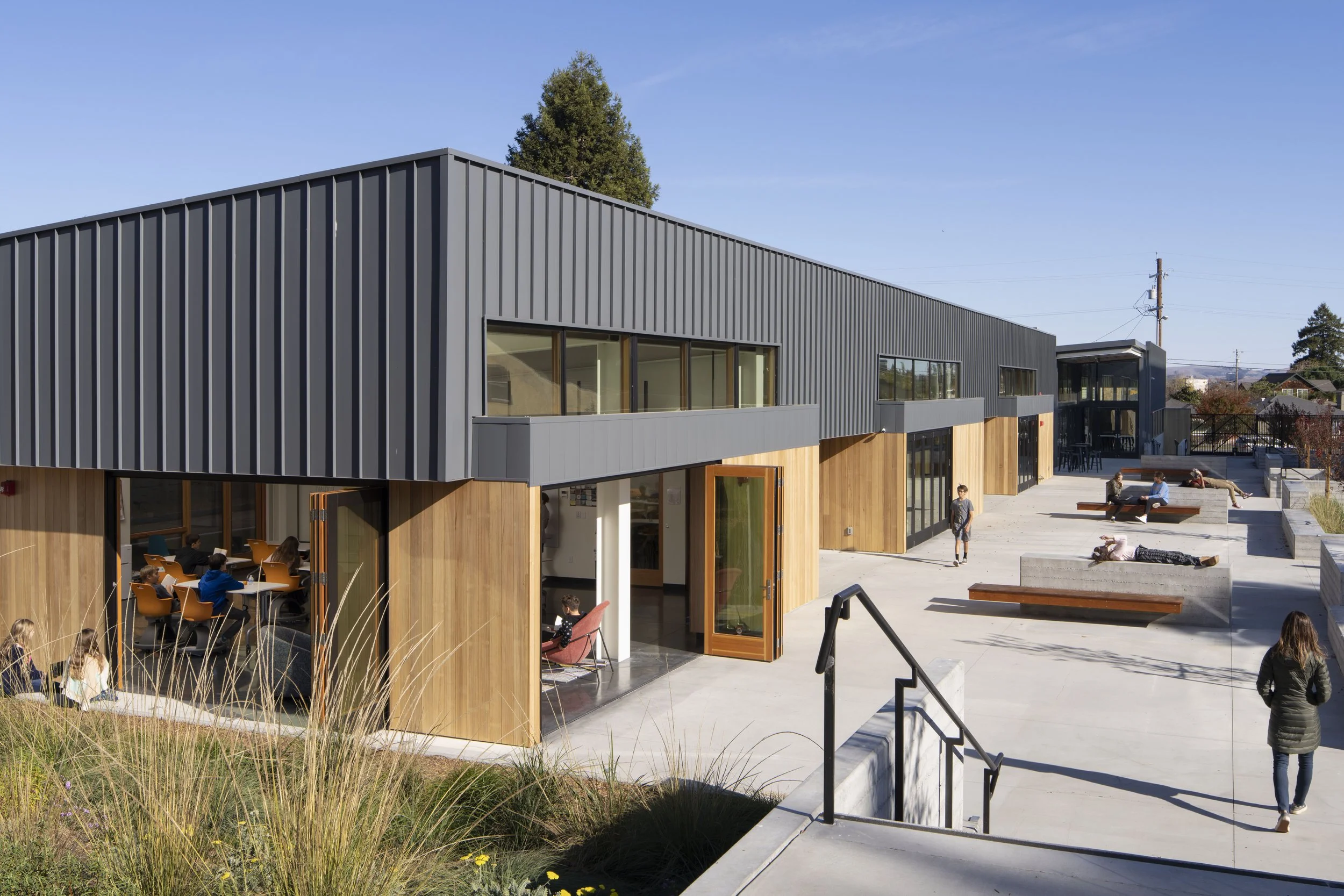
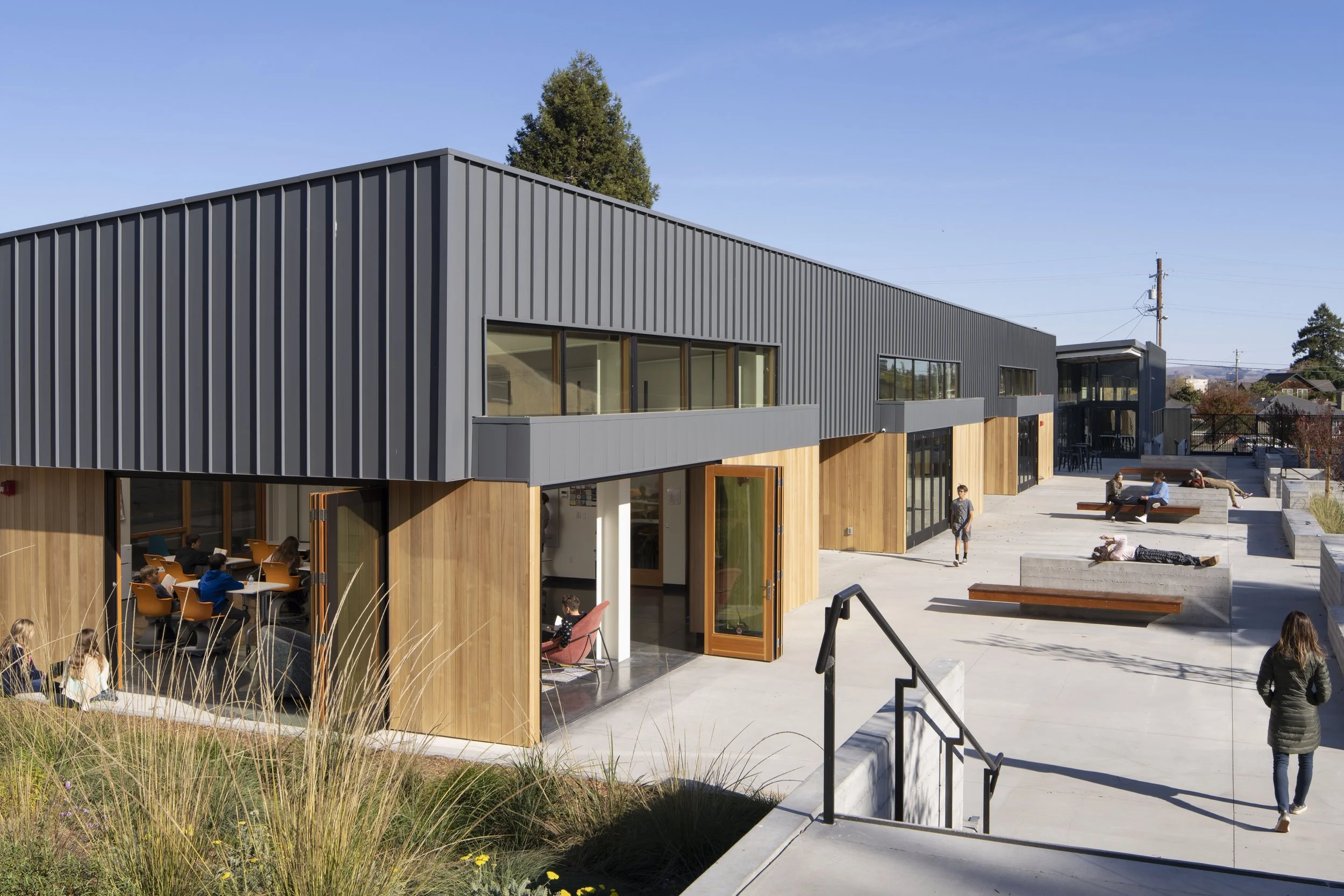
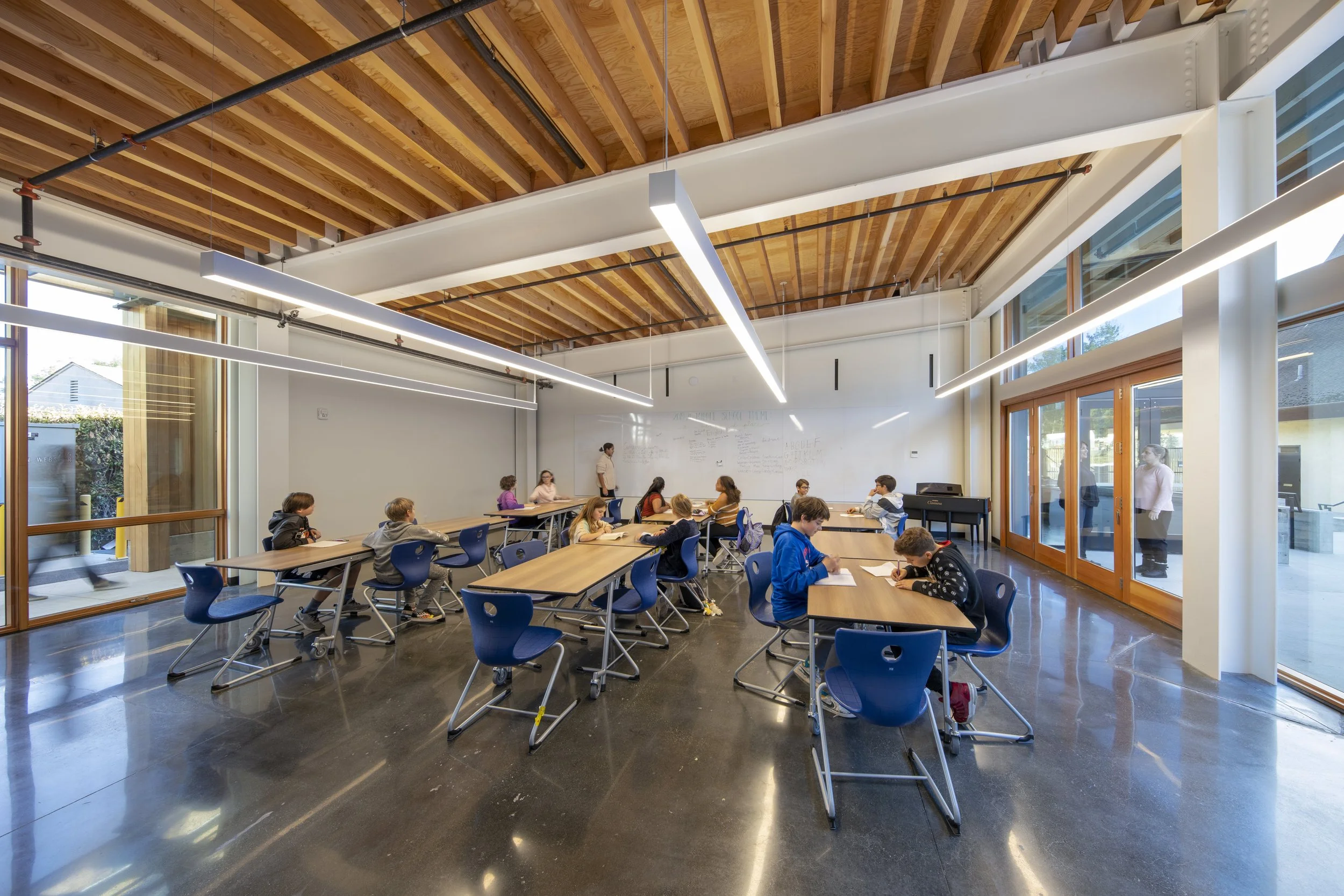
At Spring Hill Montessori, a STEAM-based educational model is translated into a campus shaped by flexibility, clarity, and real-world learning. Classrooms, gardens, and shared outdoor spaces are organized around a central plaza that supports movement, collaboration, and multiple ways of learning throughout the day.
The award-winning architecture directly supports the school’s mission. Exposed steel and wood systems create a durable, cost-effective structure while also revealing how the building works, turning the campus itself into a teaching tool. Daylight, ventilation, and indoor-outdoor access are built into the design from the start, creating spaces that are adaptable, healthy, and connected to place.
Cold Drinks Bar - Designing for Immersion
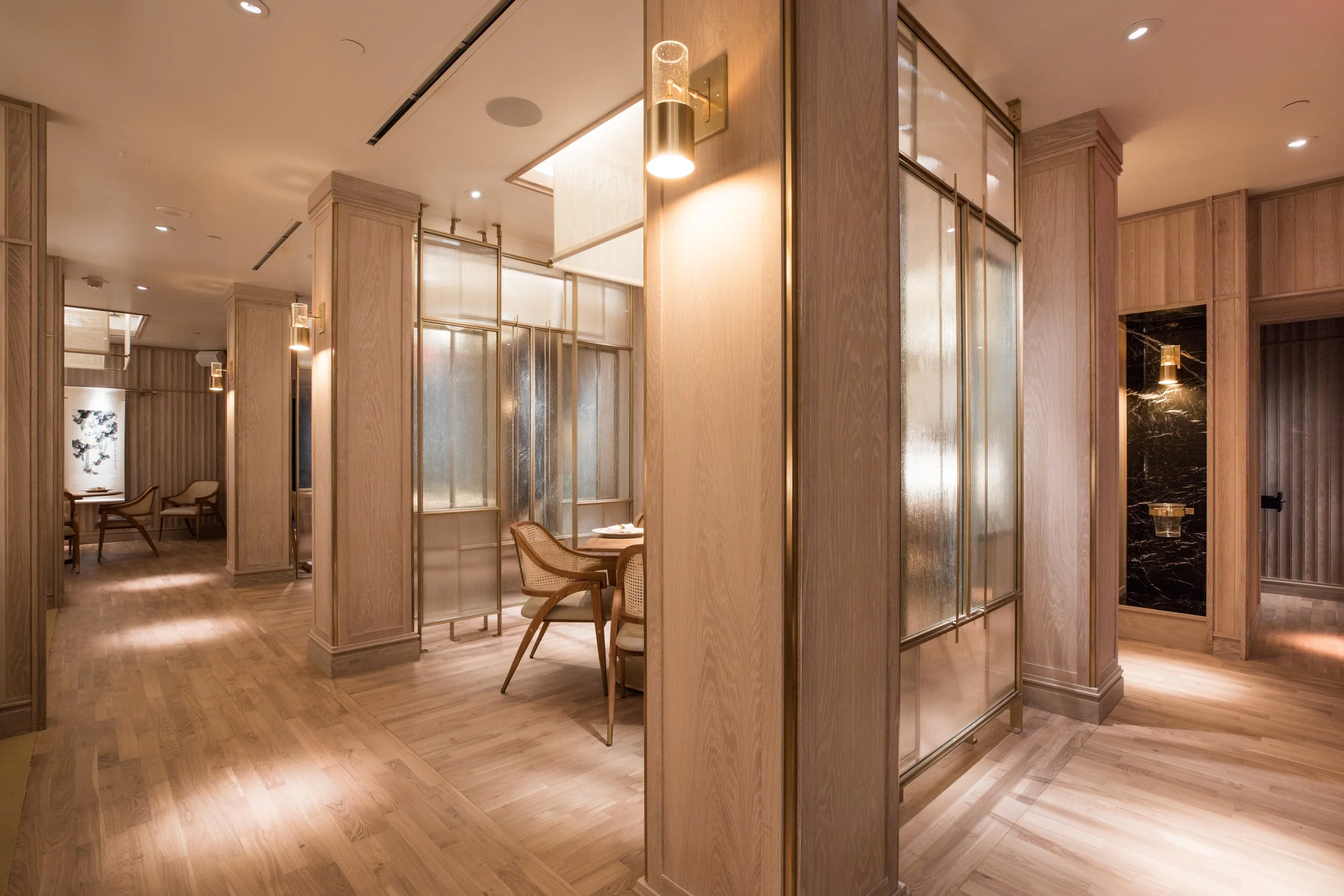
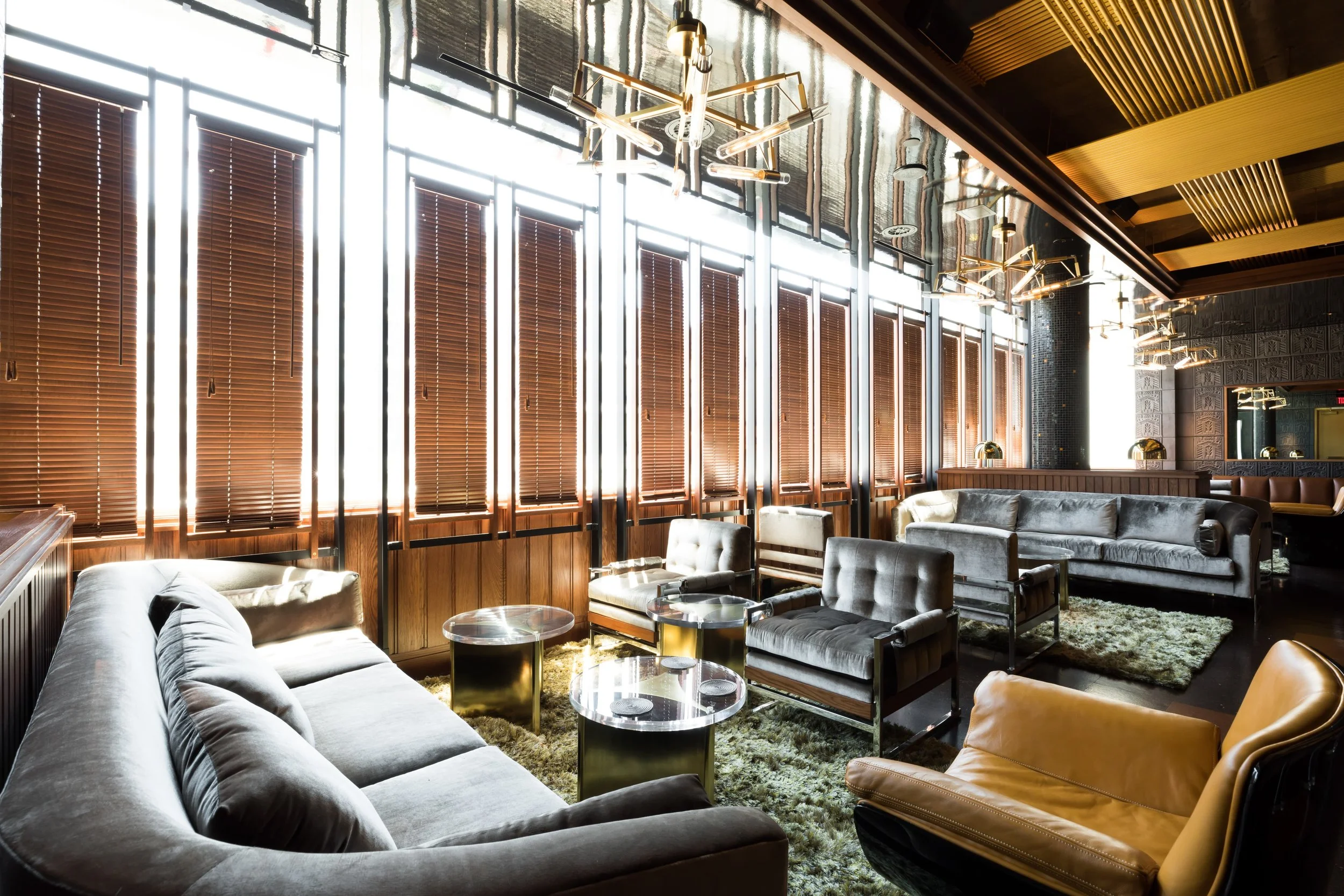
Cold Drinks is built around the idea that hospitality can transport as much as it serves. Tucked above the energy of China Live, the bar creates a world of shadow, reflection, and texture shaped by Shanghai glamour and dystopian futurism. Rich materials, custom detailing, and theatrical lighting work together to heighten the sense of entry into somewhere distinct and self-contained. The project reflects an approach to hospitality that treats atmosphere not as decoration, but as a core part of how a place is felt and remembered.
Six principles behind the work
Our projects take different forms, but the thinking behind them stays consistent. These six principles shape how we approach architecture from first conversation through final detail.
Craft
Execution matters at every scale, from spatial strategy to the way materials meet.
Constraint as Opportunity
Budgets, codes, and site limits are not barriers. They are often where the concept begins.
Process
Good work comes from disciplined inquiry, iteration, and refinement.
Culture
We draw from architecture, art, music, and lived experience to make work that feels specific and lasting.
Clarity
We remove what does not belong so the core idea can come through.
Dialogue
Architecture gets better through conversation between client, site, program, and builder.
Six principles behind the work
Our projects take different forms, but the thinking behind them stays consistent. These six principles shape how we approach architecture from first conversation through final detail.