Demark Studio is an architecture practice built on collaborative process, rigorous craft, and turning constraints into opportunities.
We practice a process of discovery that begins before architecture and continues through completion. Every project is an act of dialogue—between site and structure, challenge and possibility, architect and client. We work through constraints and integrate ideas across disciplines to create spaces that feel inevitable.
Snow King and the Practice of Clarity
Demark’s work begins with inquiry, collaboration, and a close reading of context, helping broad goals and real constraints take shape as a clear architectural idea. Through structured discovery and iterative refinement, landscape, program, daylight, circulation, and material are brought into alignment so each decision supports the whole.
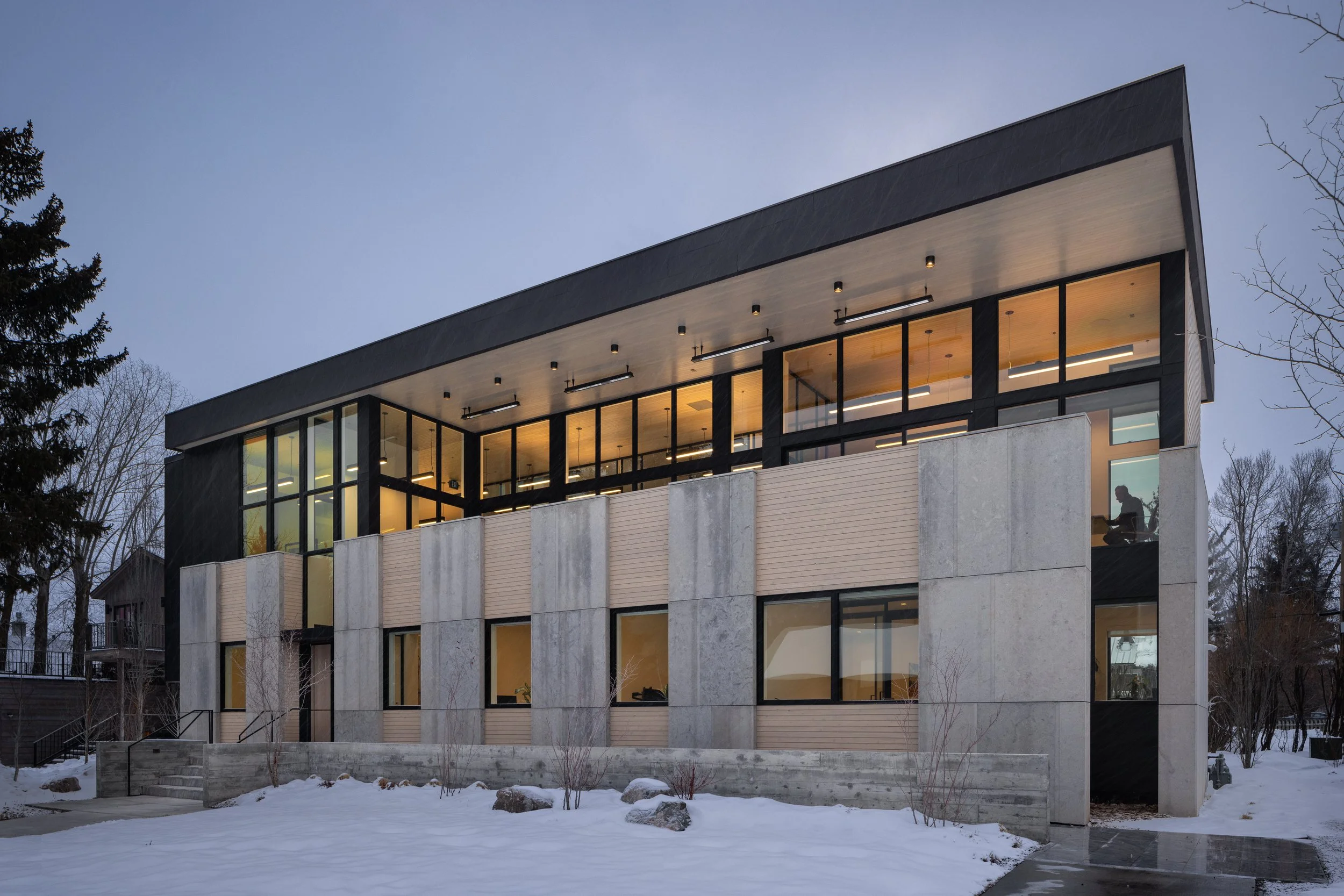
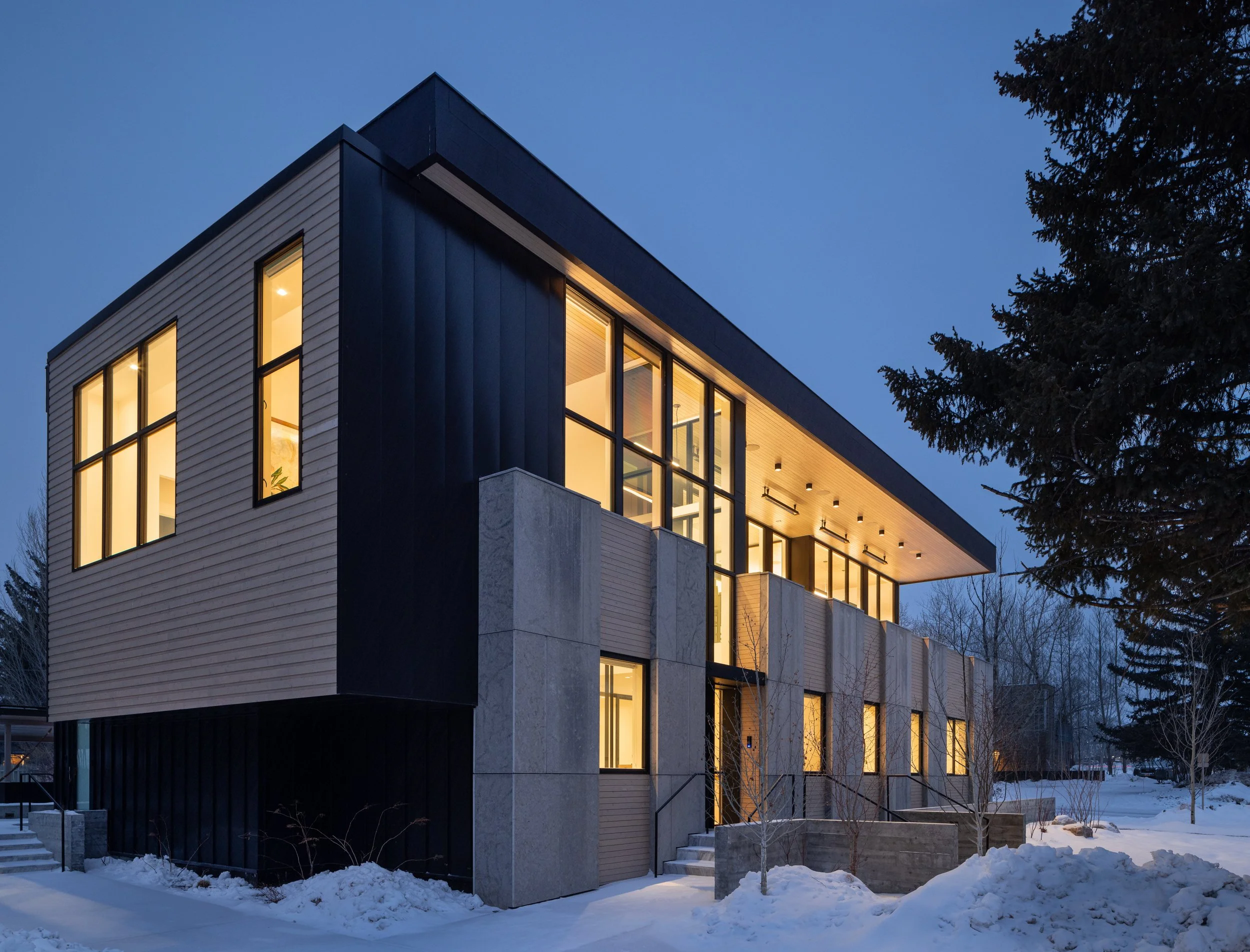
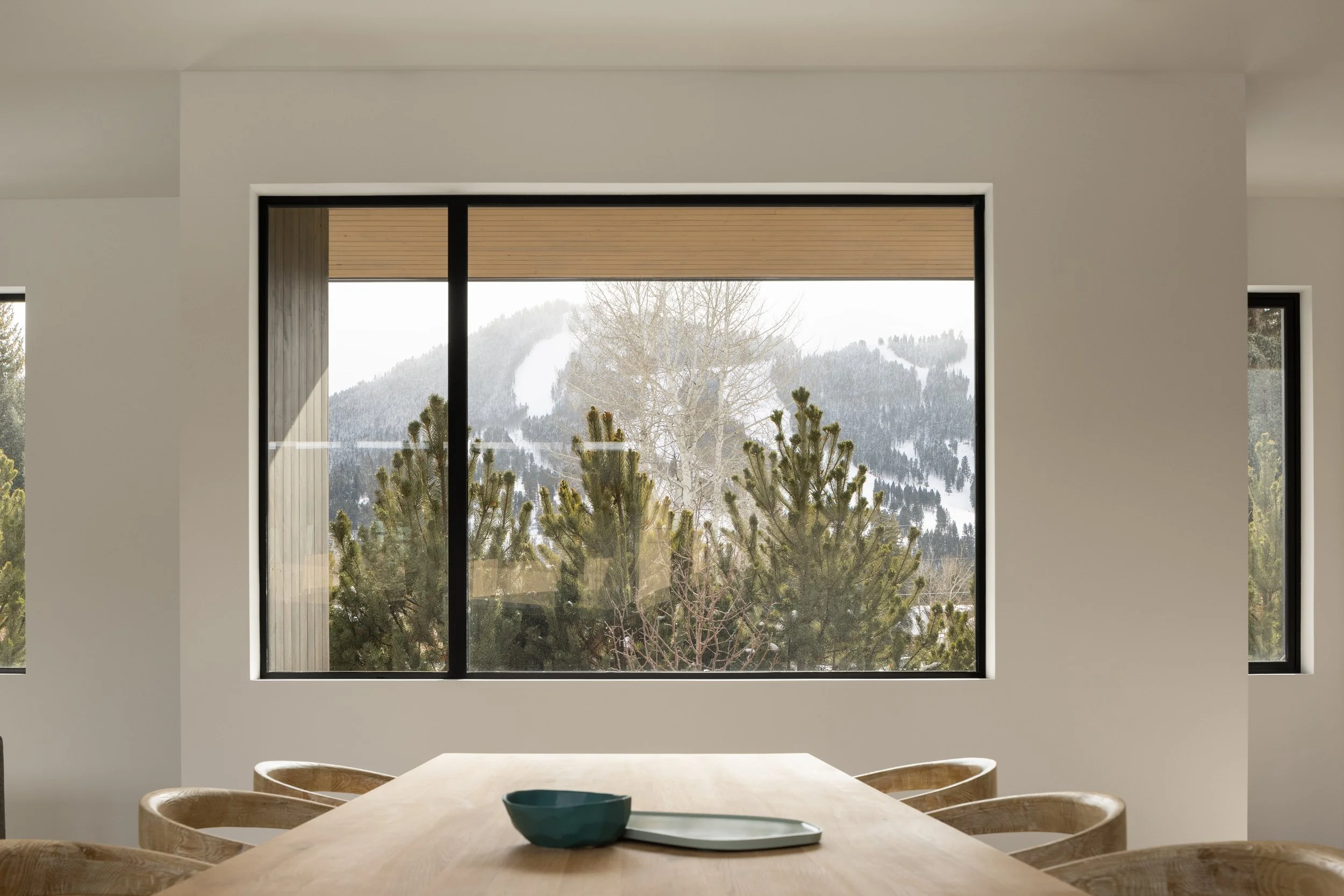
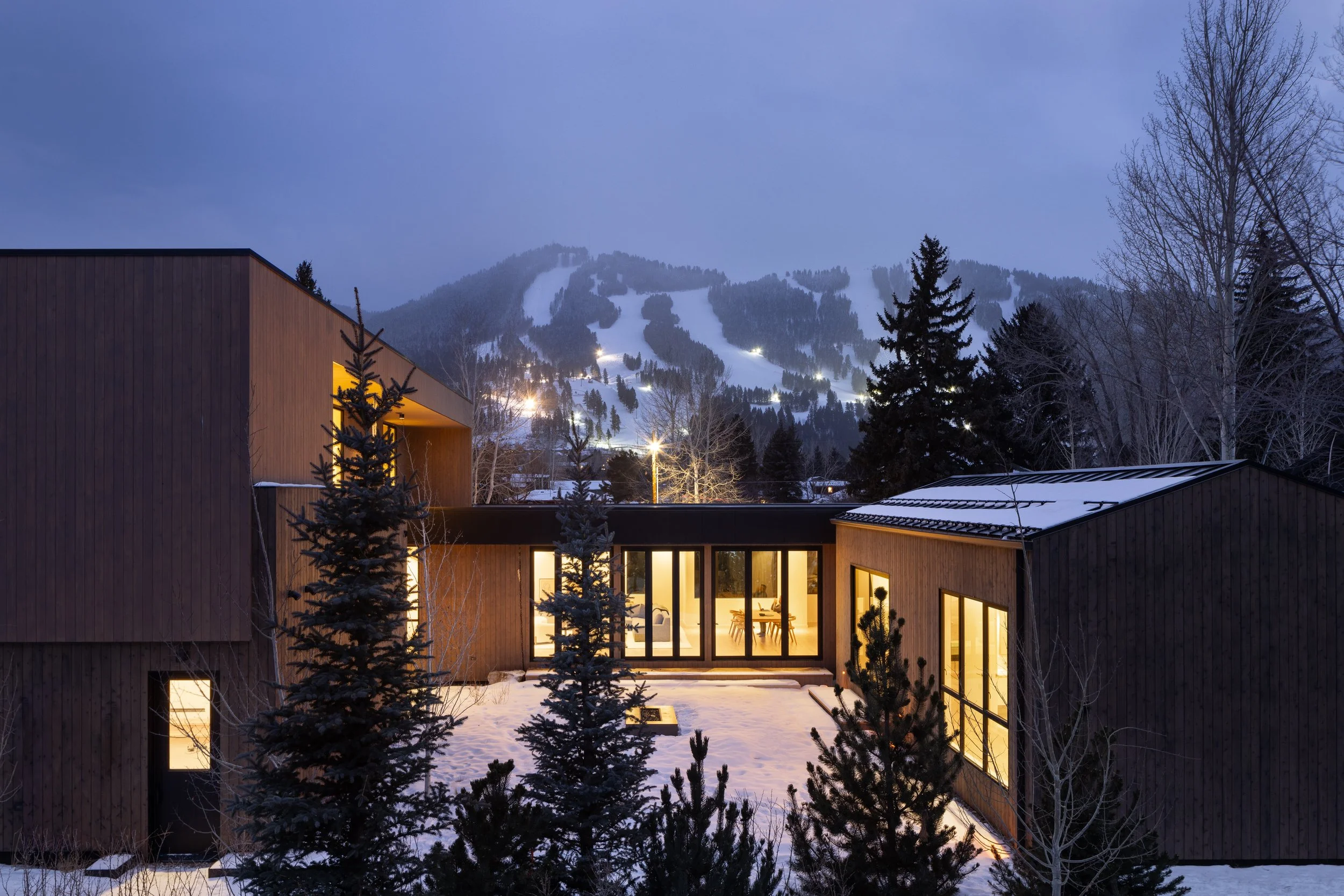
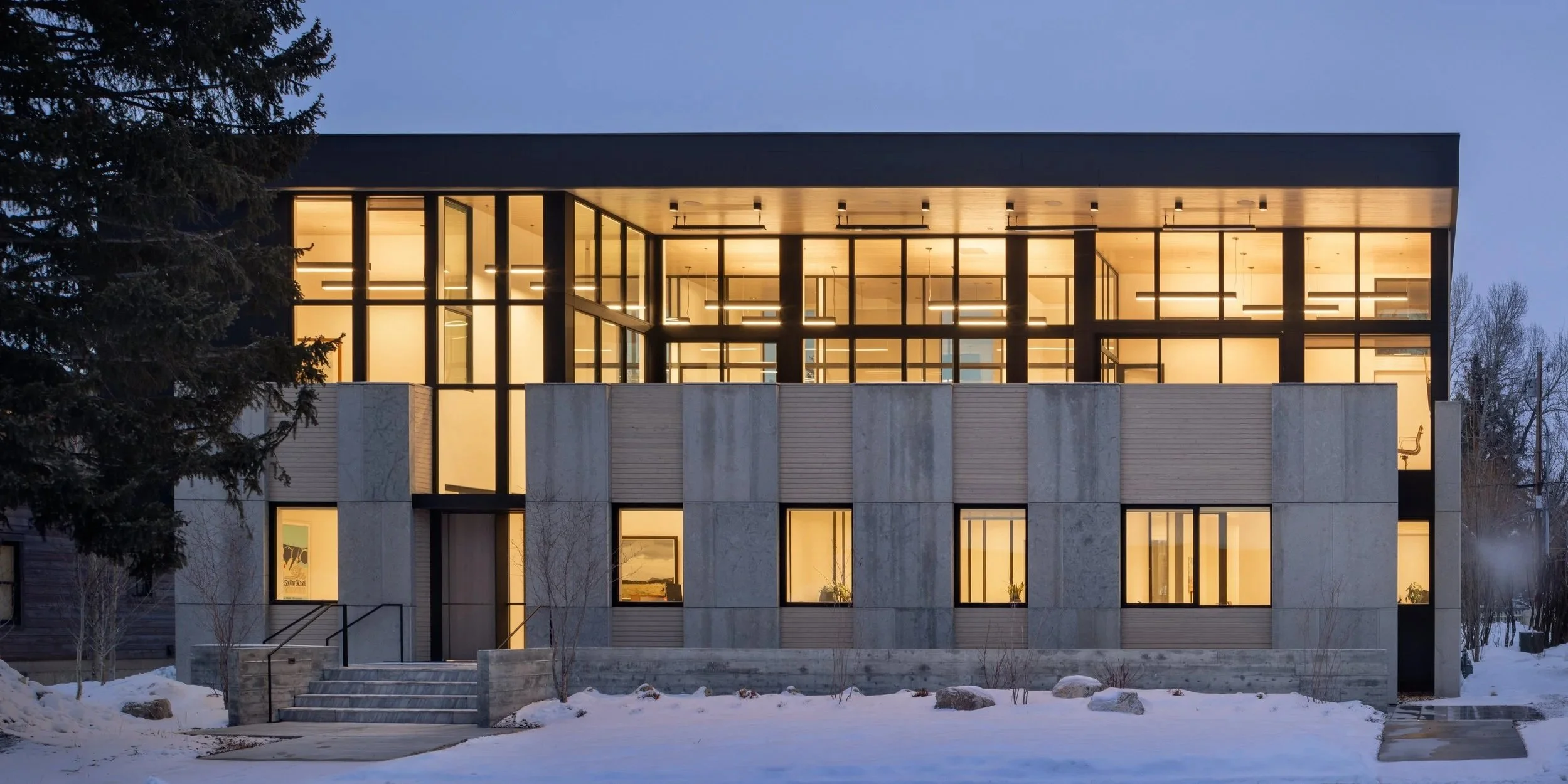
At Snow King, that approach shaped a compact headquarters for a wealth management company at the base of Snow King Mountain in Jackson, Wyoming. The building responds to both its alpine setting and the internal structure of the office, using daylight, framed views, and clear spatial organization to create a workplace that feels grounded, precise, and enduring.
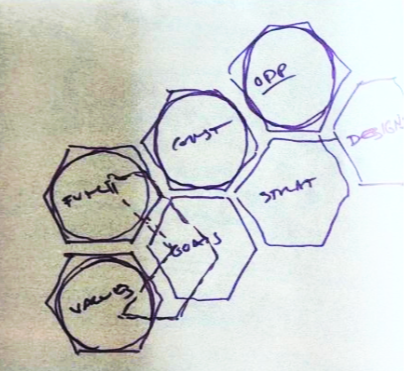
Six principles behind the work
Our projects take different forms, but the thinking behind them stays consistent. These six principles shape how we approach architecture from first conversation through final detail.
Craft
Execution matters at every scale, from spatial strategy to the way materials meet.
Culture
We draw from architecture, art, music, and lived experience to make work that feels specific and lasting.
Constraint as Opportunity
Budgets, codes, and site limits are not barriers. They are often where the concept begins.
Clarity
We remove what does not belong so the core idea can come through.
Process
Good work comes from disciplined inquiry, iteration, and refinement.
Dialogue
Architecture gets better through conversation between client, site, program, and builder.
Six principles behind the work
Our projects take different forms, but the thinking behind them stays consistent. These six principles shape how we approach architecture from first conversation through final detail.
Craft
Execution matters at every scale, from spatial strategy to the way materials meet.
Culture
We draw from architecture, art, music, and lived experience to make work that feels specific and lasting.
Constraint as Opportunity
Budgets, codes, and site limits are not barriers. They are often where the concept begins.
Clarity
We remove what does not belong so the core idea can come through.
Process
Good work comes from disciplined inquiry, iteration, and refinement.
Dialogue
Architecture gets better through conversation between client, site, program, and builder.
Spring Hill Montessori and the Architecture of Learning
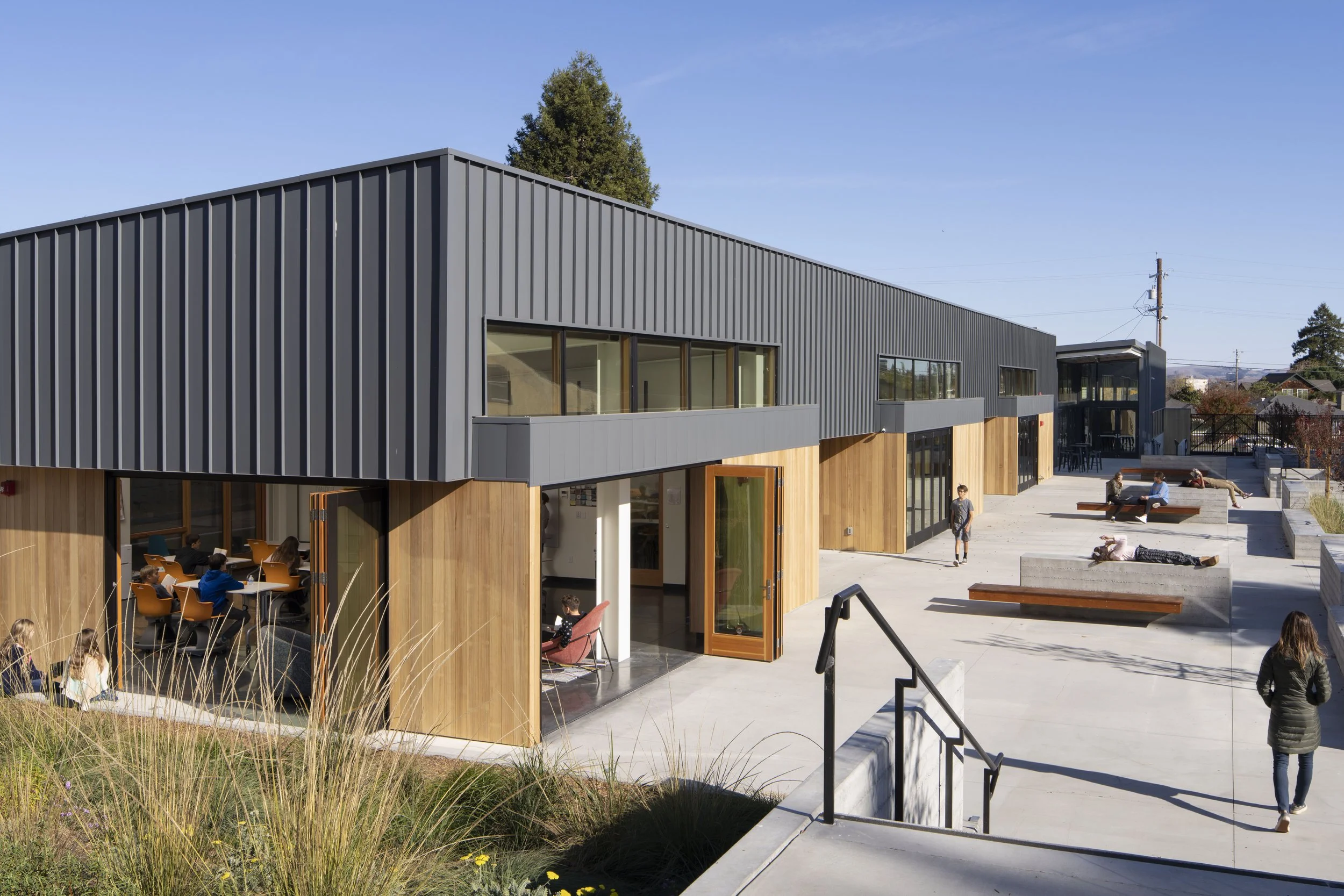
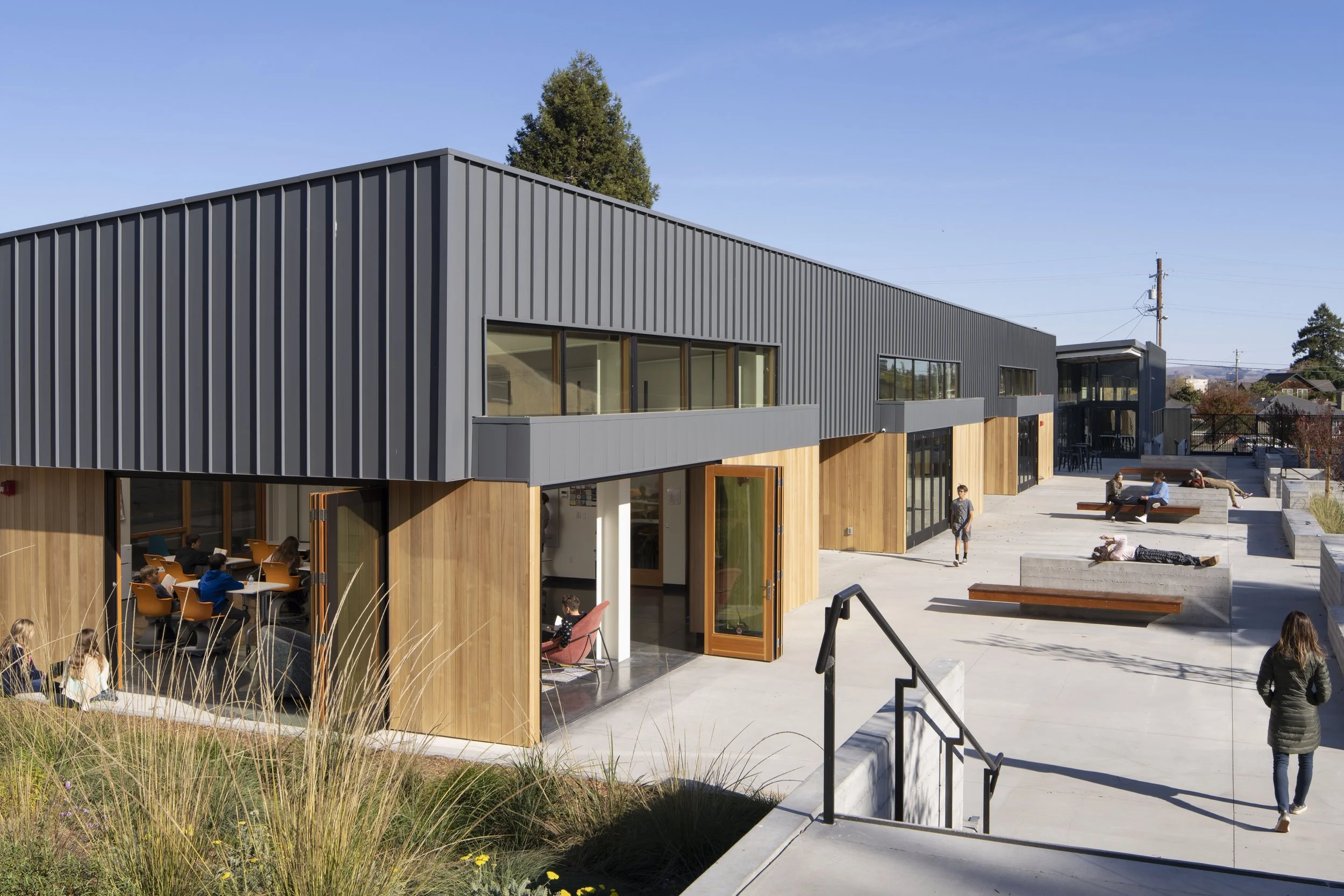
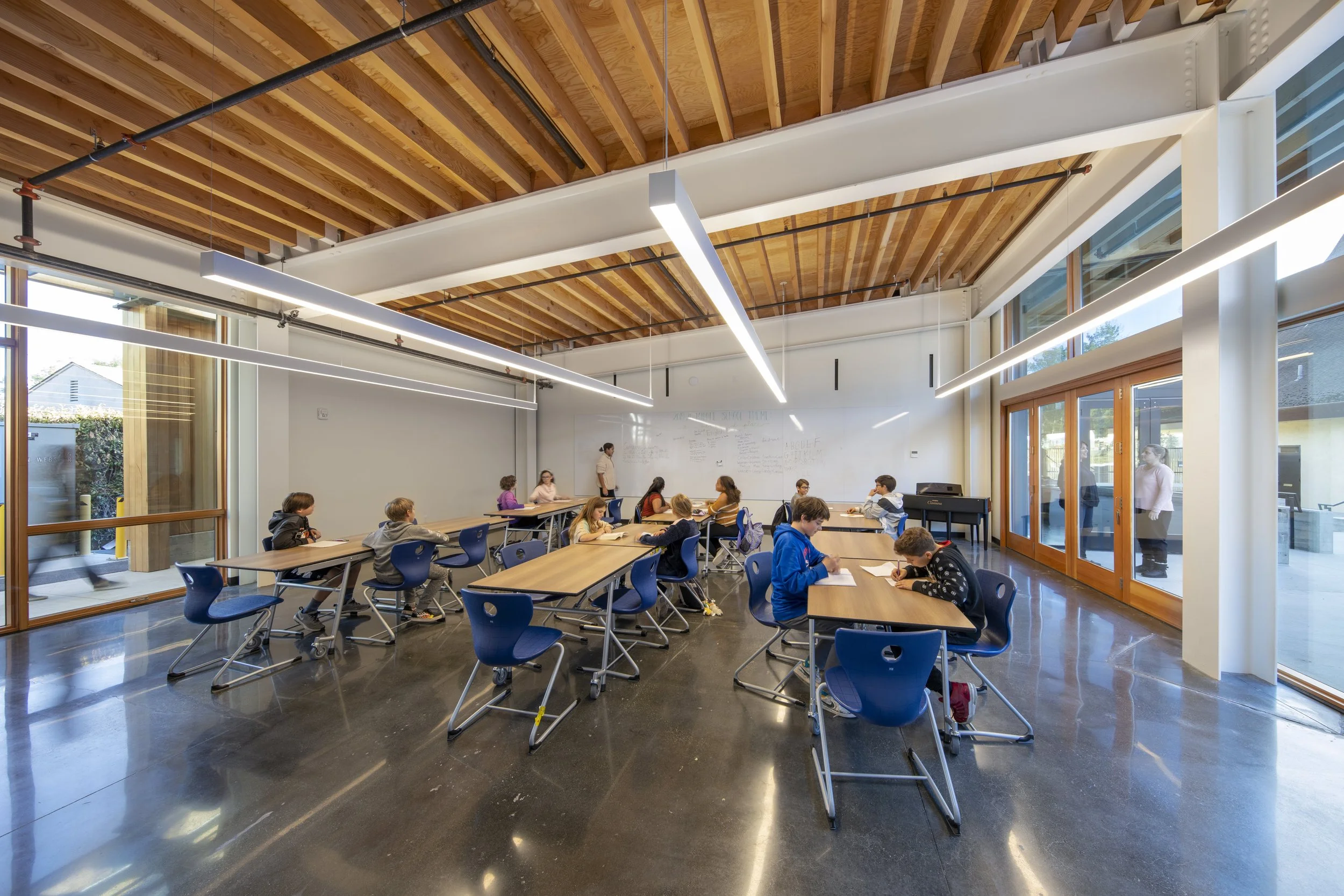
At Spring Hill Montessori, a STEAM-based educational model is translated into a campus shaped by flexibility, clarity, and real-world learning. Classrooms, gardens, and shared outdoor spaces are organized around a central plaza that supports movement, collaboration, and multiple ways of learning throughout the day.
The award-winning architecture directly supports the school’s mission. Exposed steel and wood systems create a durable, cost-effective structure while also revealing how the building works, turning the campus itself into a teaching tool. Daylight, ventilation, and indoor-outdoor access are built into the design from the start, creating spaces that are adaptable, healthy, and connected to place.
Six principles behind the work
Our projects take different forms, but the thinking behind them stays consistent. These six principles shape how we approach architecture from first conversation through final detail.
Craft
Execution matters at every scale, from spatial strategy to the way materials meet.
Culture
We draw from architecture, art, music, and lived experience to make work that feels specific and lasting.
Constraint as Opportunity
Budgets, codes, and site limits are not barriers. They are often where the concept begins.
Clarity
We remove what does not belong so the core idea can come through.
Process
Good work comes from disciplined inquiry, iteration, and refinement.
Dialogue
Architecture gets better through conversation between client, site, program, and builder.
Craft
Execution matters at every scale, from spatial strategy to the way materials meet.
Culture
We draw from architecture, art, music, and lived experience to make work that feels specific and lasting.
Constraint as Opportunity
Budgets, codes, and site limits are not barriers. They are often where the concept begins.
Clarity
We remove what does not belong so the core idea can come through.
Process
Good work comes from disciplined inquiry, iteration, and refinement.
Dialogue
Architecture gets better through conversation between client, site, program, and builder.
Six principles behind the work
Our projects take different forms, but the thinking behind them stays consistent. These six principles shape how we approach architecture from first conversation through final detail.